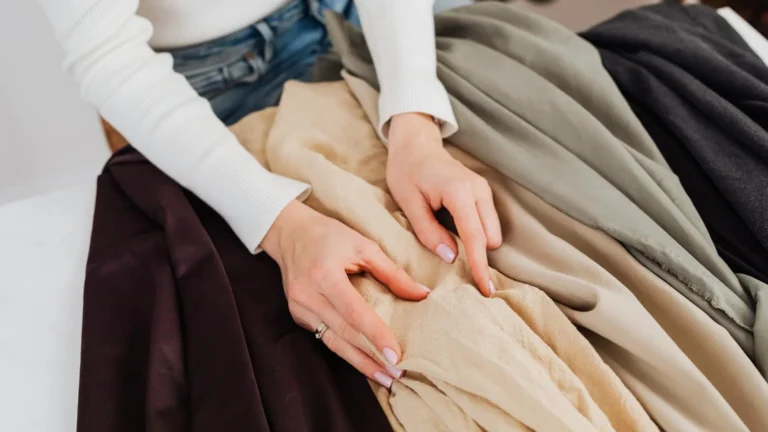
Hypoallergenic Clothing: 7 Tips for Comfortable, Skin-Friendly Dressing
A practical guide to hypoallergenic clothing — what it means, the best fabrics for sensitive skin, how to identify chemical-free brands, and care tips that protect your wardrobe.
Skin reactions to clothing are more common than most people realise \u2014 and more often caused by fabric construction and chemical finishing than by visible garment features. This guide covers what hypoallergenic clothing actually means, which fabrics to prioritise, and seven practical steps for building a wardrobe that works for sensitive skin.
That is where hypoallergenic clothing comes in to save the day and bring back your comfort. Let us be real for a second. We spend so much money on fancy skin creams and clean diets, yet we forget about the fabrics touching our bodies all day long.
Changing what you wear can honestly be a total game changer for your skin health. In this friendly guide, we will break down everything you need to know about making the switch to happier skin. Let us dive in.

What You Will Learn Today
- What Is Hypoallergenic Clothing And How Does It Help
- Why Your Skin Reacts To Normal Outfits
- The Best Fabrics For Sensitive Skin You Need To Know
- Why Eczema Friendly Clothing Is A Life Saver
- How To Find Chemical Free Clothing Brands
- The Secrets Of Hypoallergenic Baby Clothes
- Simple Tips To Care For Your Sensitive Wardrobe
What Is Hypoallergenic Clothing And How Does It Help
To put it simply, this refers to garments made from materials that are highly unlikely to cause an allergic reaction. Think of it as a soft, safe shield for your delicate body. It is all about choosing fibers that do not irritate your skin or trap sweat and toxic chemicals.
I used to think that any soft fabric was safe, but I was so wrong. Many synthetic fabrics like polyester are treated with harsh finishes that can trigger major flares. Buying certified hypoallergenic organic cotton changed everything for me. It made me realize how much we overlook the daily materials we put on our bodies.
Have you ever checked the label on your favorite shirt and felt totally confused by the ingredients. You are definitely not alone. It turns out that true clothing for sensitive skin needs to be free of toxic dyes, formaldehydes, and heavy metals. Once you understand this, shopping becomes so much easier and more rewarding.
Why Your Skin Reacts To Normal Outfits
Our skin is our largest organ, and it absorbs almost everything it touches. When you wear synthetic materials, your skin cannot breathe properly. This traps moisture and heat, creating the perfect storm for irritation and itchy red patches.
Moreover, the textile industry uses thousands of chemicals to make garments wrinkle resistant or waterproof. These finishes stay on the fibers even after multiple washes. Dermatologist recommended clothing exists precisely because these manufacturing toxins are so widespread today.
If you want to read more about how materials impact human health, you can check out this helpful guide on wikipedia.org which explains the science of hypoallergenic products. It is honestly quite eye opening when you realize how many daily items contain irritants. You will start looking at your closet in a whole new way.
The Best Fabrics For Sensitive Skin You Need To Know
Now let us talk about the actual champions of the fabric world. When shopping, you want to focus on natural, breathable fibers. The best fabrics for sensitive skin are always organic, breathable, and processed without harsh additives.
First up is organic cotton clothing, which is basically the gold standard for comfort. Regular cotton is grown with heavy pesticides, but the organic version is pure and clean. It feels incredibly soft against your skin, and it lets your body breathe naturally.
Another amazing option is bamboo viscose, which has natural moisture wicking properties. Silk is also fantastic because it is naturally hypoallergenic, though it requires a bit more care. Have you ever tried wearing pure silk pajamas. It feels like absolute heaven.
If you are struggling to find great resources, you can always visit Our Main Blog to read our latest guides on conscious living and fashion. We talk a lot about making small, healthy lifestyle shifts there. We love sharing simple tips that make a big difference.
Why Eczema Friendly Clothing Is A Life Saver
For anyone dealing with eczema or psoriasis, getting dressed can feel like entering a battle zone. A rough seam or a synthetic thread can start a whole day of scratching and pain. That is why investing in eczema friendly clothing is so crucial.
These garments are specifically designed with flat seams, no itchy tags, and incredibly smooth fibers. They do not catch on dry skin patches, which allows your skin barrier to actually heal. Honestly, the relief you feel when switching to these materials is hard to put into words.
Many experts agree that using hypoallergenic organic cotton is the easiest way to prevent nighttime scratching fits. If you can sleep without waking up itchy, your entire quality of life improves. It is crazy how much a simple pajama change can do for your sleep and your mental peace.
How To Find Chemical Free Clothing Brands
So, how do we actually find these mythical non toxic clothing brands. It can feel like a maze out there with all the greenwashing and marketing tricks. However, there are a few simple things you can look out for.
Always look for third party certifications like GOTS, which stands for Global Organic Textile Standard. This badge ensures that the entire supply chain is clean and safe. Another great certification to keep in mind is OEKO TEX, which guarantees the finished product is free of harmful chemicals.
Choosing chemical free clothing means you are avoiding heavy metals, formaldehydes, and toxic dyes. These are the hidden villains that cause contact dermatitis. To verify safe manufacturing practices, you can search for certified brands on Google to see real customer reviews and independent lab test results.
The Secrets Of Hypoallergenic Baby Clothes
If you have kids, you know how incredibly soft and sensitive baby skin is. Their skin barrier is much thinner than ours, making them highly vulnerable to irritants. That is why choosing hypoallergenic baby clothes is one of the smartest decisions you can make.
Babies often get random rashes, and we immediately blame the detergent or the food. While those are important, the actual onesie they wear all day long is often the real trigger. Sticking to clean, organic fabrics keeps them comfortable and happy.
Honestly, watching a little baby deal with itchy eczema is heartbreaking. By dressing them in breathable, untreated organic cotton, you eliminate so many potential triggers. Have you noticed a difference in your baby skin when switching to organic cotton. It is definitely worth a try.
Simple Tips To Care For Your Sensitive Wardrobe
Once you have invested in these gorgeous, safe pieces, you need to know how to wash them properly. If you use conventional detergents loaded with synthetic fragrances, you will completely ruin the benefits of your clean clothes.
Always opt for fragrance free, plant based laundry detergents. Avoid liquid fabric softeners entirely because they coat the fibers in a chemical film that ruins breathability and triggers rashes. Instead, you can use wool dryer balls or a splash of white vinegar in the rinse cycle.
Also, try to wash your new garments before wearing them for the first time. Even the cleanest clothes can pick up dust or particles during shipping. A quick, gentle wash ensures that only pure, clean fibers touch your delicate skin. It is a tiny step that makes a massive difference.
Let us wrap things up. Transitioning your wardrobe to dermatologist recommended clothing might feel like a big step, but your skin will thank you every single day. Start small by replacing the items that touch your skin most directly, like underwear, sleepwear, and basic tees.
Replacing the items with most skin contact first \u2014 underwear, sleepwear, and base layers \u2014 is the most practical starting point. Small changes in these categories produce the most noticeable reduction in daily skin irritation.