What Is sensory clothing for adults? The Complete 2026 Guide
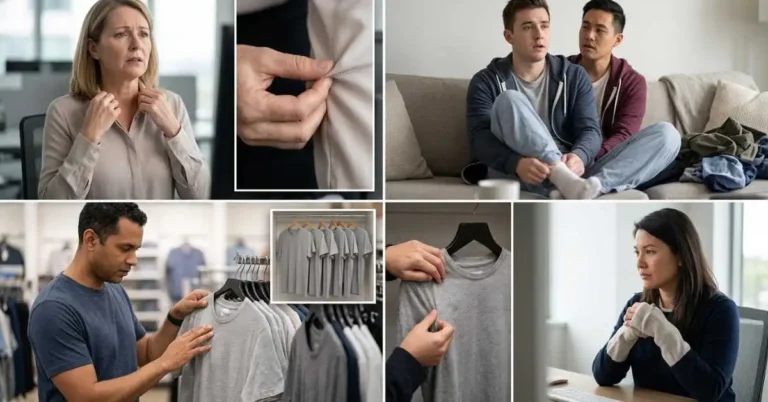
Sensory Clothing for Adults Ever felt bothered by a scratchy tag or a tight seam? For many, these small annoyances become big comfort blocks. Sensory friendly clothing adults aim to fix this, using soft fabrics and no seams. Choosing the right clothes can change your life. By focusing on touch comfort, you build a wardrobe…
Sensory Clothing for Adults

Ever felt bothered by a scratchy tag or a tight seam? For many, these small annoyances become big comfort blocks. Sensory friendly clothing adults aim to fix this, using soft fabrics and no seams.
Choosing the right clothes can change your life. By focusing on touch comfort, you build a wardrobe that soothes your nerves. This way, you can face your day with more ease and confidence.
Our 2026 guide is your starting point for a better wardrobe. We dive into how sensory clothing for adults has grown to meet today’s needs. You’ll discover how to pick materials that offer lasting comfort all year.
Key Takeaways
- Sensory-friendly clothes focus on touch comfort by avoiding tags and harsh seams.
- The right fabrics greatly lessen daily physical stress and irritation.
- Today’s designs mix beauty with key functional features.
- Building a special wardrobe helps manage sensory sensitivities well.
- This guide shares expert advice for finding inclusive fashion in the market.
Understanding Sensory Processing and Your Wardrobe
Sensory processing differences affect how your brain feels fabrics. For many, clothes just feel normal. But for those with heightened sensitivity, even simple textures can feel intense or painful.
By understanding how you react to different materials, you can pick sensory wear for adults that helps you feel better. Knowing what triggers discomfort is the first step to feeling more at ease.
Why Traditional Fabrics Can Feel Overwhelming
Traditional clothes often have features that bother those with sensory processing differences. Stiff collars, heavy denim, and rough synthetic blends can feel like constant friction. This can make you feel like you’re in a fight-or-flight state, making it hard to relax.
Also, internal tags and bulky seams can be constant annoyances. Wearing clothing for sensory needs helps avoid these issues. Here’s a comparison of standard and sensory-friendly materials.
| Feature | Traditional Fabric | Sensory-Friendly |
|---|---|---|
| Texture | Rough or abrasive | Smooth and soft |
| Seams | Raised and bulky | Flat or seamless |
| Tags | Stiff and scratchy | Tagless or printed |
| Weight | Heavy or restrictive | Lightweight and breathable |
The Connection Between Tactile Sensitivity and Daily Productivity
Your ability to focus is tied to your comfort. If you’re distracted by scratchy clothes or tight waistbands, you can’t focus on complex tasks. This can make you tired and stressed by the end of the day.
Wearing the right sensory wear for adults helps you focus on your goals. Clothing for sensory needs removes barriers to concentration. It’s not just about feeling good; it’s a smart way to stay productive and balanced.
Defining Sensory Friendly Clothing Adults Need
Finding the right clothes is key to a better wardrobe. When you look for sensory friendly clothing adults can trust, you want clothes that don’t distract you. These clothes aim to soothe your nervous system by avoiding common irritants that cause stress or discomfort.
Key Characteristics of Sensory-Friendly Apparel
Quality sensory friendly apparel focuses on how it feels. It lacks scratchy tags, has flat-lock seams, and uses soft, breathable fabrics. This makes your clothes feel like a second skin, not a source of discomfort.
Consistency in fit is also crucial. These clothes often avoid tight bands or cuffs that can be uncomfortable. By paying attention to these details, you can reduce sensory overload in your daily life.
Distinguishing Between Adaptive and Sensory-Friendly Designs
It’s easy to mix up comfort wear with medical gear. While adaptive sensory clothing aims to help with mobility issues, it’s made for those with physical disabilities. It might have magnetic closures or special fits for wheelchair users.
Sensory-friendly clothes, on the other hand, focus on feeling good on your skin. They aim to calm your senses and provide a distraction-free experience. The table below shows the main differences between these two types to help you choose wisely.
| Feature | Sensory-Friendly | Adaptive |
|---|---|---|
| Primary Goal | Tactile comfort | Functional mobility |
| Closures | Standard or hidden | Magnetic or velcro |
| Target User | Sensory processing needs | Physical disability |
| Fabric Focus | Softness and texture | Durability and access |
Essential Materials and Fabric Textures to Prioritize
Creating a collection of adult sensory clothing that feels like a second skin starts with the raw materials. Choosing specific textures and construction methods can change your daily dressing routine. It can go from irritating to relieving.
Natural Fibers Versus Synthetic Blends
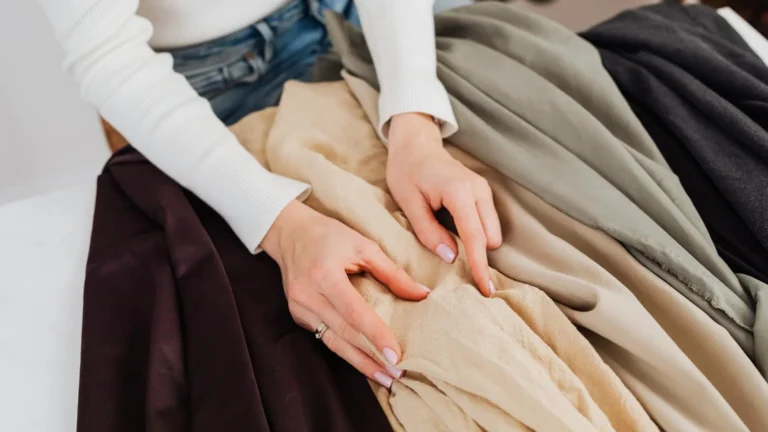
Natural fibers are often the most comfortable for sensitive skin. Materials like organic cotton, bamboo viscose, and modal are breathable. They have a soft, smooth feel that reduces friction.
Some synthetic blends are made for moisture-wicking but can feel scratchy. If you prefer synthetics, look for hypoallergenic or clothing for sensory needs options. These are processed to stay soft even after washing.
Why Seamless Construction Matters for Comfort
Traditional garments often have bulky seams that can be uncomfortable. Seamless technology removes these pressure points. It creates a smooth surface that moves easily over your body.
This design is key in adaptive sensory clothing. It reduces the risk of tactile defensiveness and sensory overload.
The Impact of Flat-Felled Seams
When seams are necessary, flat-felled construction is the most comfortable. This method folds the raw edges inward and stitches them down flat. It ensures no rough edges touch your skin.
Garments with this feature offer a clean, non-irritating finish that stays secure. It’s a simple detail that makes a big difference for those with sensitive skin.
Removing Tags and Labels Without Damaging Garments
Even the most comfortable clothes can be ruined by a stiff, itchy neck tag. To remove these safely, use a dedicated seam ripper instead of scissors. This avoids accidentally cutting the fabric of your adult sensory clothing.
Slide the tool under the thread holding the label and snip the stitches one by one. After removing the label, lightly steam the area. This smooths out any remaining indentations, keeping your clothing for sensory needs soft and irritation-free.
How to Build a Sensory-Friendly Wardrobe
Creating a wardrobe that meets your sensory needs can greatly improve your daily life. By making thoughtful choices, you can gather adult sensory clothing that reduces distractions and brings calm. This makes every day a little better.

Selecting Comfortable Undergarments and Base Layers
Base layers are key because they touch your skin all the time. Choose items with seamless construction to avoid irritation from seams or tags. Opt for fabrics that are soft, breathable, and keep you cool.
Choosing Outerwear That Provides Gentle Compression
Outerwear can do more than just keep you warm. It can also offer gentle compression that calms you down. Many people find that a weighted or snug jacket helps them feel more grounded in stressful situations. Look for adult sensory wear that fits well but isn’t too tight.
“True comfort in clothing is not just about the absence of irritation, but the presence of support that allows you to focus on your day.”
Evaluating Closures and Fasteners for Ease of Use
Fasteners like small buttons or stiff zippers can be a hassle. To make your life easier, choose designs that are easy to use and don’t irritate your skin. Here are some tips to make getting dressed simpler:
- Magnetic closures for quick, effortless fastening.
- Elastic waistbands that adapt to your body’s movement.
- Drawstrings for customizable fit and pressure.
Replacing Buttons with Magnetic Closures
Magnetic closures are a big help if you have trouble with small tasks. They let you quickly secure shirts or jackets without buttons. This small change makes your adult sensory wear easier to use and saves time.
The Benefits of Elastic Waistbands and Drawstrings
Stiff waistbands can be uncomfortable, especially when sitting or moving a lot. Elastic waistbands let your clothes move with you, not against you. Drawstrings let you adjust the fit, giving you a personalized, supportive feel.
Shopping Strategies for Adult Sensory Wear
Creating a wardrobe that feels good requires a smart shopping plan. Avoiding clothes that irritate or distract is key. With a clear strategy, you’ll save time and money, and build a wardrobe that meets your needs.
Navigating Online Retailers for Sensory-Friendly Fashion
The internet has lots of choices, but finding the right sensory friendly fashion takes effort. Look for stores that list fabric details and show close-up photos of textures. Many brands now have special tags for shoppers with sensory needs, making your search easier.
Read reviews carefully, focusing on how clothes feel. Look for mentions of tagless designs, flat seams, or how soft the material gets after washing. This helps you find adult sensory wear that feels right to you.
Testing Fabrics Before You Commit to a Full Wardrobe
Try out fabrics with a small purchase before buying more. Get a single item from a new brand to see how it feels all day. This trial period shows how the fabric handles movement, heat, and sweat.
If unsure about a texture, start with a small sample or basic layer. Testing sensory wear for adults this way avoids buying clothes that don’t meet your needs. Being patient here leads to long-term happiness with your clothes.
Understanding Return Policies for Sensitive Skin Needs
When looking for adult sensory wear, the return policy is crucial. Since fit and feel are personal, you need to return items that don’t feel right. Make sure the store offers free returns or prepaid labels for items that don’t pass your test.
Choose brands that value your feedback and have clear exchange policies. A flexible return policy makes online shopping for sensory friendly fashion less stressful. By picking brands that back their products, you can shop with confidence and peace of mind.
Caring for Your Sensory-Friendly Apparel
Looking after your special clothes needs care to keep them in top shape. Investing in sensory friendly apparel means keeping it soft and comfy. Taking good care helps avoid damage to the delicate fibers that make your clothes feel great.
Best Practices for Washing Sensitive Fabrics
How you wash your clothes affects their feel and life span. Always check the label, but usually, a gentle cycle with cold water is best. This stops shrinkage and damage to the fibers. Using a mesh bag helps protect your clothes from getting caught on other items.
- Turn your clothes inside out before washing.
- Choose a mild, fragrance-free detergent to avoid skin issues.
- Don’t overload the washer to ensure each item gets a good clean.
Maintaining Softness Without Harsh Chemical Softeners
Traditional fabric softeners can leave a residue that might irritate some people. Instead, use natural methods to keep your clothes soft. These methods keep your clothes feeling good without harming your skin.
Try adding a half-cup of white vinegar to the rinse to soften fibers and remove detergent residue. Also, using wool dryer balls in the machine fluffs your clothes and reduces static. These easy steps help your clothes stay soft and comfortable wash after wash.
Repairing Minor Wear to Extend Garment Life
Even the toughest sensory friendly clothes can wear out over time. Fixing small issues early can prevent bigger problems. A quick fix can save a favorite item from needing to be replaced.
If you see a loose seam, use a needle and thread to fix it with a simple whip stitch. For pilling, a fabric shaver can remove fuzz to make your clothes smooth again. These small steps help keep your clothes in great condition for years.
Conclusion
Your journey to a more comfortable life starts with small choices every morning. Choosing the right fabrics and fits changes how you feel in your environment.
Quality sensory clothing for adults helps you stay focused on your goals. You should wear clothes that support your well-being all day.
Brands like Target and specialized retailers offer great options. They help you build a wardrobe that fits your unique needs.
Wearing sensory friendly clothes is a way to take care of yourself. It boosts your productivity and peace of mind. You can create a wardrobe that helps you succeed.
Begin by swapping out one or two items this week. You’ll notice a big difference in your comfort. Your daily routine will improve when your clothes support you.
FAQ
What defines sensory friendly clothing for adults in the current market?
Sensory friendly clothing for adults is made to avoid irritation and overload. It has no tags, is very soft, and doesn’t restrict movement. This type of clothing helps you focus on your day without feeling itchy or tight.
How can wearing adult sensory clothing improve my daily productivity?
Wearing adult sensory clothing can help you focus better. It reduces the distraction from itchy or tight clothes. This lets you concentrate more on your work and daily tasks.
Is there a significant difference between adaptive sensory clothing and general adaptive fashion?
Yes, there’s a big difference. General adaptive fashion helps with mobility for people with physical disabilities. But, adaptive sensory clothing is made for comfort, avoiding triggers like loud zippers.
What are the best fabrics to look for when shopping for sensory wear for adults?
Look for natural fibers and blends. Bamboo, organic cotton, and Tencel are great because they’re soft and breathable. Stay away from stiff synthetics to avoid irritation.
Why is seamless construction a “must-have” feature in sensory clothing for adults?
Traditional seams can feel like scratches. Sensory clothing uses flat seams or seamless knitting. This makes the inside smooth, preventing chafing and ensuring comfort.
Which brands currently offer high-quality sensory friendly fashion?
Many brands offer great sensory friendly options. Target and Tommy Hilfiger Adaptive have stylish, comfortable pieces. Calmwear is known for its base layers designed for sensory needs.
Can I modify my current wardrobe to be more like sensory friendly apparel?
Yes, you can make your clothes more comfortable. Remove labels carefully and use magnetic closures or elastic extenders. This can make your favorite items more comfortable.
What are the benefits of compression in adult sensory wear?
Compression can be calming. It provides a gentle pressure that soothes the nervous system. This can be especially helpful in stressful situations.
How should I care for my clothing for sensory needs to ensure it stays soft?
Wash your sensory clothing in cold water gently. Avoid harsh fabric softeners and use wool dryer balls instead. Always check the care label to keep the fibers in good condition.
What shopping strategies should I use when looking for sensory friendly clothing adults recommend?
Start by ordering a single piece to test. Check the return policy for “tried-on” items. Online, use filters for features like flat seams and tagless designs.