7 Common Signs of Clothing Sensory Sensitivity in Adults
Many adults experience real discomfort with certain fabrics, seams, and tags. Here are 7 practical signs of clothing sensory sensitivity and what you can do about it.
Clothing sensory sensitivity is more common in adults than most people realise. If certain fabrics, seams, or labels cause persistent discomfort that affects your daily routine, you are not alone — and you are not being dramatic.

This guide covers seven practical signs that your clothing choices may be affecting your comfort, focus, and daily wellbeing — along with straightforward steps to make dressing easier.
What is clothing sensory sensitivity?
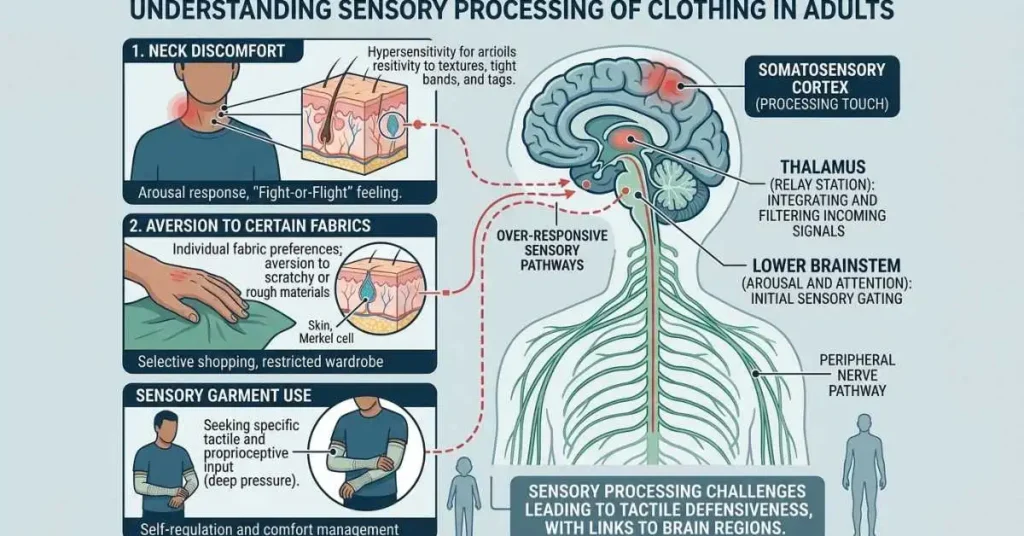
Clothing sensory sensitivity refers to heightened awareness of tactile input from fabric — textures, pressure, seams, and fit. For some adults, these sensations create genuine discomfort that standard clothing simply does not account for. It is not a preference or a quirk. It is a real physical experience that sensory-friendly clothing is specifically designed to address.
7 signs of clothing sensory sensitivity in adults
1. Labels and tags feel unbearable
If you remove labels from every garment immediately, or find that even soft tags scratch and distract throughout the day, this is one of the clearest signs of tactile sensitivity. Tagless clothing construction exists specifically for this reason.
2. Sock seams cause constant distraction
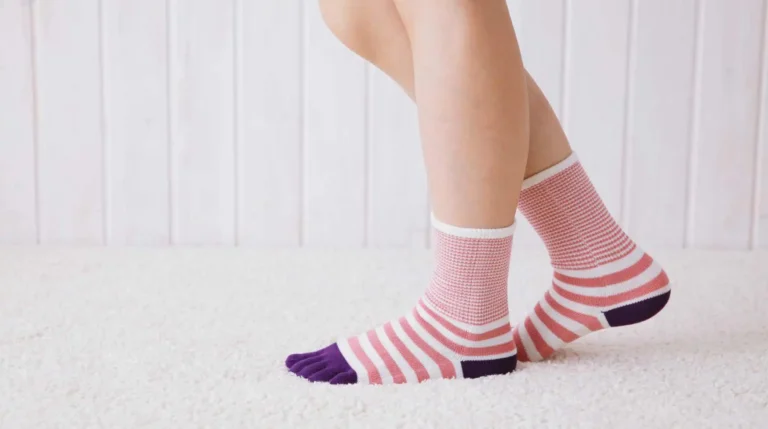
The toe seam on a standard sock is a frequent problem for adults with sensory sensitivity. If you regularly turn socks inside out, spend time adjusting them, or feel a persistent pressure at the toe throughout the day, seamless socks are worth trying.
3. Certain fabrics feel actively irritating
Wool, polyester, stiff denim, and synthetic blends are common problem fabrics for sensory-sensitive adults. The discomfort goes beyond mild preference — these materials can feel rough, scratchy, or physically distracting even after short periods of wear.
4. Uncomfortable clothing affects your mood and focus
When a garment does not feel right, it can be difficult to focus on anything else. Adults with clothing sensitivity often report that physical discomfort from fabric directly affects their concentration, mood, and ability to move through daily tasks comfortably.
5. Waistbands, cuffs, and tight areas feel restrictive
Pressure around the waist, wrists, or ankles from elastic waistbands or fitted cuffs can feel uncomfortable even in correctly sized clothing. Loose-fitting or elastic-free options tend to work significantly better for adults with tactile sensitivity.
6. You rely on a small rotation of comfortable items
Finding a few pieces that feel genuinely comfortable and wearing them repeatedly is a practical coping strategy — and a reliable sign of sensory sensitivity. New clothing often feels like a risk because predicting how a fabric will feel throughout a full day is genuinely difficult.
7. Getting dressed takes longer than it should
If choosing and adjusting clothing takes up significant time in the morning — trying multiple options, removing and replacing items because something feels off — this suggests that your current wardrobe is not meeting your sensory needs. Building a more intentional, sensory-friendly wardrobe can reduce this friction considerably.
Why do some adults experience clothing sensitivity?
Tactile sensitivity varies across the adult population. Some people process sensory input from fabric more intensely than others, which means standard clothing construction — with its tags, seams, and synthetic materials — creates ongoing discomfort that many simply learn to live with. Sensory-friendly clothing is designed to eliminate the most common sources of that discomfort.
The most common problem areas: socks, seams, and tags
Three construction details account for the majority of clothing-related sensory discomfort in adults:
- Toe seams on socks — a small ridge that can feel disproportionately uncomfortable all day. Seamless or flat-seam socks solve this directly.
- Clothing labels — the back-of-neck scratch that accumulates into real irritation. Tagless construction removes this entirely.
- Rough or textured fabrics — wool, polyester, stiff denim. Natural fibres like cotton, bamboo, and modal are consistently better tolerated.
What actually helps with clothing sensory sensitivity
There are practical, straightforward changes that make a meaningful difference:
- Switch to seamless socks — brands like SmartKnit and Bombas are well-regarded for this
- Choose tagless underwear and t-shirts as standard
- Look for elastic-free or wide-waistband options for trousers and shorts
- Prioritise natural fibres: cotton, bamboo, and modal over synthetics
- Avoid decorative hardware — buttons, rivets, or trim — that sits directly against the skin
Starting with one or two changes rather than overhauling the entire wardrobe at once makes it easier to identify what genuinely helps. Our guide to sensory-friendly clothing brands covers specific options across different budgets.