Sensory Clothing for Adults: The Complete Guide to Comfortable, Sensory-Friendly Fashion
Discover the best sensory-friendly clothing for adults with sensory processing differences. Learn what to look for, why it matters, and how Sensory Wardrobe can help you dress comfortably every day.
Sensory Clothing for Adults For millions of adults living with sensory processing differences including autism, ADHD, fibromyalgia, and sensory processing disorder (SPD) getting dressed each morning can feel like an overwhelming challenge. Scratchy tags, tight waistbands, rough seams, and synthetic fabrics can trigger discomfort, anxiety, and even physical pain throughout the day.
At Sensory Wardrobe, we believe that clothing should work for your body not against it. This guide covers everything you need to know about sensory-friendly clothing for adults: what it is, why it matters, and how to build a wardrobe that feels as good as it looks.
What Is Sensory-Friendly Clothing?
Sensory-friendly clothing is designed specifically to minimize tactile discomfort and sensory overload. Unlike mainstream fashion, sensory-friendly garments prioritize comfort, texture, and fit over aesthetics alone. Key features typically include:
- Tagless designs no scratchy internal labels
- Flat or minimal seams to prevent friction and irritation
- Soft, natural fabrics such as organic cotton, bamboo, and modal
- Relaxed or adjustable fits to avoid pressure on sensitive areas
- No rough embellishments no sequins, rough prints, or scratchy embroidery
Who Benefits from Sensory Clothing for Adults?
Sensory clothing isn’t just for one group of people. Many adults find sensory-friendly garments life-changing, including those with:
- Autism Spectrum Disorder (ASD) heightened tactile sensitivity is extremely common
- ADHD uncomfortable clothing can worsen focus and increase agitation
- Sensory Processing Disorder (SPD) where the nervous system struggles to process sensory input
- Fibromyalgia chronic pain conditions that make even light touch uncomfortable
- Anxiety disorders where physical discomfort amplifies stress levels
- Skin conditions such as eczema, psoriasis, or dermatitis
- Post-surgery recovery when the body is especially sensitive
What Fabrics Are Best for Sensory Sensitivity?
Choosing the right fabric is the most important step in building a sensory-friendly wardrobe. Here are the top options:
1. Organic Cotton
Soft, breathable, and hypoallergenic organic cotton is free from harsh chemicals that can irritate sensitive skin. It’s the gold standard for sensory-friendly clothing.
2. Bamboo
Bamboo fabric is incredibly soft (often compared to cashmere), naturally antibacterial, and moisture-wicking ideal for people who experience temperature sensitivity alongside tactile sensitivity.
3. Modal
A type of rayon derived from beech trees, modal is silky-smooth, lightweight, and resistant to shrinking. It drapes gently against the skin without clinging uncomfortably.
4. Merino Wool
Unlike traditional wool, merino is fine enough to be worn directly against the skin without itching. It’s also naturally temperature-regulating keeping you cool in summer and warm in winter.
5 Tips for Building a Sensory-Friendly Wardrobe
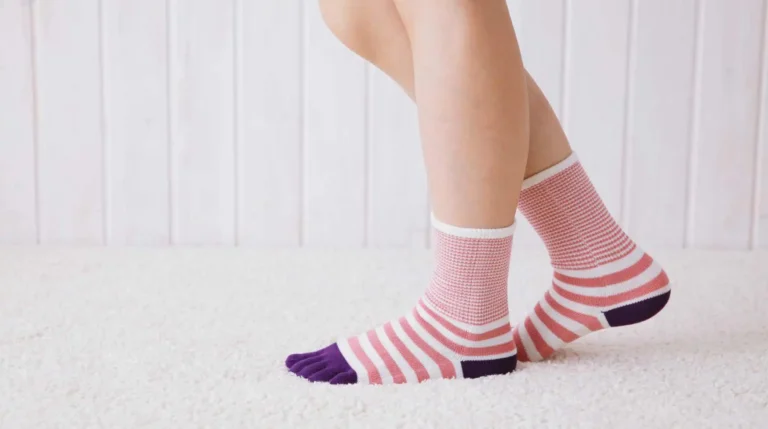
- Start with basics. Focus on everyday essentials underwear, socks, and t-shirts as these have the most direct contact with your skin.
- Remove or replace tags immediately. If a garment has a tag, cut it out or seek out tagless alternatives from the start.
- Test before committing. Where possible, wear new clothing at home first to assess comfort before wearing it in a high-stimulus environment.
- Prioritize fit. Clothing that is too tight or too loose can both cause sensory discomfort. Look for adjustable fits or stretch fabrics.
- Keep a “comfort capsule.” Identify 5–10 items that feel consistently good to wear and build your wardrobe around them.
Why Sensory Wardrobe?
At Sensory Wardrobe, every item in our collection is thoughtfully designed with sensory needs at the forefront. We work with adults not just children because we know that sensory sensitivity doesn’t disappear with age.
Our clothing features:
- 100% tagless designs
- Flat-locked seams to eliminate friction
- Certified soft, natural fabrics
- Styles that are both comfortable and stylish
- Sizes and fits for all body types
Frequently Asked Questions
Is sensory clothing only for people with autism?
Not at all. While sensory clothing is widely used by autistic adults, anyone with tactile sensitivity, chronic pain, skin conditions, or simply a preference for comfort can benefit greatly from sensory-friendly garments.
Can sensory clothing look fashionable?
Absolutely. Modern sensory-friendly clothing is designed to be both functional and stylish. You no longer have to choose between comfort and looking great.
How do I know if I have sensory sensitivity?
Common signs include strong discomfort from clothing tags, seams, or certain fabrics; feeling distracted or irritable when wearing certain clothes; and a strong preference for specific textures. If these resonate with you, sensory-friendly clothing may make a significant difference.
Final Thoughts
Living with sensory sensitivity shouldn’t mean sacrificing comfort or confidence in your clothing. With the right fabrics, fits, and designs, getting dressed can become a neutral or even enjoyable part of your day.
Explore the Sensory Wardrobe collection today and discover clothing that truly works for your body.