Sensory Compression Clothing for Adults: 8 Honest Picks That Actually Make a Difference
Sensory compression clothing for adults — what it does, who it helps, how to choose the right compression level and fabric, and 8 types worth trying.
Sensory compression clothing for adults refers to garments designed to apply gentle, consistent pressure to the body. For adults with sensory processing differences, autism, ADHD, anxiety, or chronic pain conditions, this kind of deep pressure input can meaningfully reduce daily sensory overload, improve grounding, and help with focus throughout the day.
This guide covers what sensory compression clothing actually does, who it helps most, how to choose the right compression level and fabric, and 8 specific types worth trying.
What is sensory compression clothing for adults?
Sensory compression clothing fits close to the body and applies gentle, even pressure — not uncomfortable tightness, but a consistent, contained feeling across the body or specific areas. This is distinct from sports compression, which is primarily designed for blood flow and muscle recovery. Sensory compression is specifically designed to regulate the nervous system through deep pressure stimulation.
The STAR Institute for Sensory Processing describes deep pressure stimulation as one of the most well-supported tools for reducing sensory sensitivity in adults.
Why does it help?
The mechanism is proprioception — the body’s internal sense of where it is in space. When proprioceptive input is insufficient, the nervous system can enter a state of mild alert, searching for input. This often manifests as restlessness, anxiety, or heightened sensitivity to sensory stimuli.
Compression clothing provides steady, reliable proprioceptive input. For many adults with sensory processing differences, this reduces background sensory overload and makes daily activities less draining. The effect is comparable to that of a weighted blanket — compression clothing is simply the portable, wearable version of the same principle.
Who is it for?
Sensory compression clothing is used by adults with autism, ADHD, anxiety disorders, sensory processing disorder (SPD), chronic pain conditions, and fibromyalgia. It is also used by adults without a formal diagnosis who simply find consistent pressure helpful for focus and comfort.
For autistic adults, the proprioceptive benefits tend to be significant. For adults with ADHD, compression can support sustained attention by anchoring physical awareness. For anxiety, it provides a grounding physical input that some adults find comparable to taking a weighted blanket to work.
8 types worth trying
1. Seamless compression base layer top
A seamless long-sleeve compression top provides full upper-body proprioceptive input with no seams pressing against the skin. Look for around 15–20% elastane — enough to feel held without restriction.
2. Compression shorts
Worn under regular clothing, compression shorts are invisible and provide consistent pressure to the hips and thighs — areas where many adults with sensory sensitivity carry significant daily tension.
3. Compression vest
Probably the most widely recognised category of sensory compression clothing for adults, and consistently recommended by occupational therapists. It applies pressure to the trunk — the core of the proprioceptive system. Adjustable panel options allow more precise pressure control.
4. Full-length compression leggings
For lower-body grounding. Key features to look for: flat-sewn seams, a wide non-elastic waistband, and a soft fabric blend. Bamboo-elastane is particularly well-tolerated — soft, breathable, and temperature-regulating.
5. Compression arm sleeves
For adults whose sensory sensitivity is concentrated in the arms and hands. Discreet enough for workplace use, and effective enough that many adults with sensory differences wear them daily.
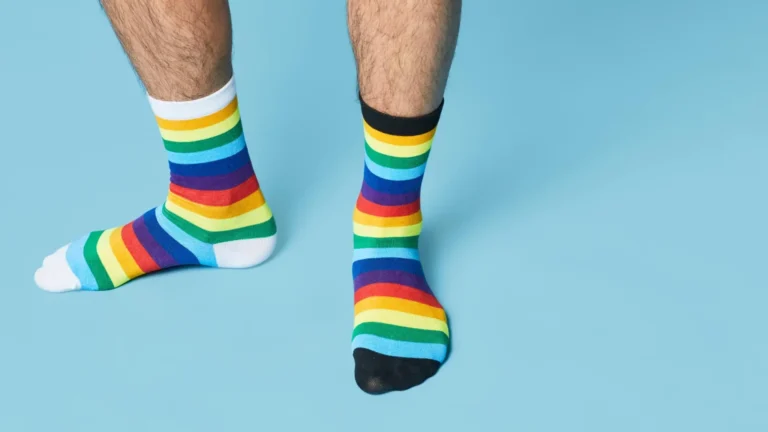
6. Seamless compression socks
These combine proprioceptive input with seamless construction — delivering grounding pressure without the toe seam irritation that standard socks create. If socks have historically been a significant daily trigger, our guide to autism socks for adults covers the best specific options.
7. Weighted compression hoodie
The added weight sits on the shoulders and upper back — high-value proprioceptive points for many adults with sensory sensitivities. Well-suited to home use, low-stimulation social settings, or high-demand days.
8. Full compression bodysuit
The most comprehensive option — head-to-toe deep pressure, worn as a base layer under regular clothing. Not necessary for everyone, but for adults with significant sensory needs, full-body compression can meaningfully change how manageable a day feels.
Choosing the right compression level
Compression level matters. Too little provides no noticeable effect; too much creates a different kind of discomfort. General guidance:
- Light (8–15 mmHg) — good starting point for new users or mild sensitivity
- Medium (15–20 mmHg) — where most adults find the effective range for sensory regulation; the level occupational therapists typically recommend first
- Firm (20–30 mmHg) — significantly more intense; professional guidance is advisable before regular use
The American Occupational Therapy Association recommends trialling medium compression first and adjusting based on individual nervous system response.
Fabric selection
For sensory compression clothing to be effective, the fabric itself cannot be a source of irritation. The compression achieves nothing if the texture is scratchy or uncomfortable against the skin.
Recommended fabrics: bamboo-elastane (softest, most breathable), organic cotton-spandex (widely available and gentle), modal-lycra (smooth and stretchy, particularly good for full-body garments). Avoid rough nylon, thick internal seams, and moisture-wicking polyester blends unless individually tested.
Important note: it does not work for everyone
Sensory compression clothing is genuinely effective for many adults with sensory processing differences, but individual responses vary. Some people find it immediately grounding. Others find it initially overwhelming and need to build up slowly. A small number find it does not suit their sensory profile at all.
This is consistent with how sensory tools generally work — the nervous system is individual, and what helps one person significantly may do little or nothing for another. Starting slowly and giving it a proper trial period is the most practical approach.
How to start
Begin with 30 minutes of wear during a normal activity. Note how you feel — not only immediately, but 10 to 15 minutes in when the effect often becomes clearer. Gradually extend wear time across high-demand parts of the day. This pattern is what occupational therapists refer to as a sensory diet — a structured approach to managing sensory input throughout the day.
When to consult a professional
If sensory overload is significantly affecting work, relationships, or daily functioning, clothing alone is not a sufficient response. Sensory compression clothing is a useful tool, but it works best as one part of a wider sensory management plan.
An occupational therapist specialising in sensory integration can assess your specific sensory profile and recommend a personalised approach. The Understood Foundation maintains a directory of specialists and self-referral guidance.
Frequently asked questions
How tight should compression clothing feel?
Snug and contained, with no restriction to breathing or free movement. If the garment leaves marks or feels restrictive, it is too tight.
Can it be worn all day?
Light and medium compression garments are generally suitable for all-day wear. Firm compression is a different matter — professional input is advisable before making it a sustained daily habit.
Is it the same as a weighted vest?
Not exactly. Weighted vests use mass; compression clothing uses elastic tension. The proprioceptive effect is similar, but compression is more portable and practical for daily use. The two approaches complement rather than replace each other.
Does it help with anxiety?
For many adults, yes. Deep pressure activates the parasympathetic nervous system — the system that counteracts the anxiety response. It is not a treatment for anxiety, but for adults with sensory-related anxiety, it can provide a meaningful and immediate calming effect.