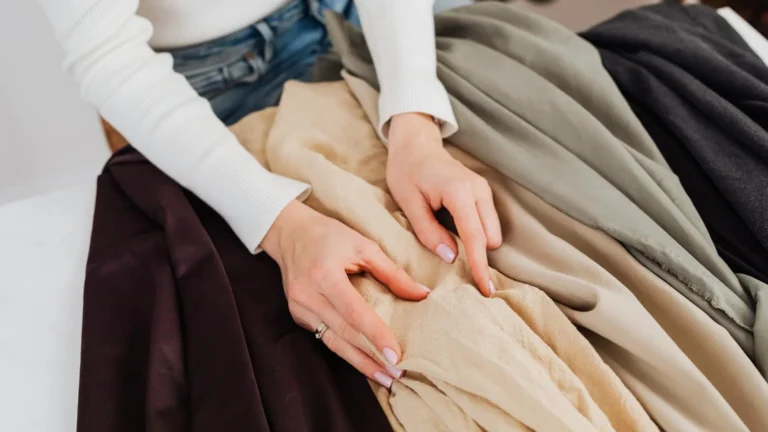
Sensory-Friendly Clothing: 11 Comfort Upgrades That Actually Work
Discover 11 practical comfort upgrades for sensitive skin — from seamless socks to soft layering. Simple wardrobe changes that make every day feel easier.

Have you ever been sitting in a meeting or trying to focus on a book, and suddenly your shirt tag feels like a tiny, jagged saw blade against your neck? Most of us have been there. It’s distracting, and honestly a little exhausting. Finding the right sensory-friendly clothing can make a bigger difference to your day than you’d expect.
It’s not about being ‘picky.’ Plenty of people are simply more aware of how fabric feels against their skin. When your clothes are scratchy, tight, or just plain wrong, your attention keeps drifting back to that physical annoyance. That leaves less energy for everything else you’re trying to do. A lot of people are surprised by how much a single pair of socks can change their day.
Table of Contents
- Why Sensory Comfort Is Worth Prioritizing
- 1. The Glory of Tagless Everything
- 2. Why Some People Love Weighted Clothing
- 3. Compression Layers for Steady, Calm Pressure
- 4. Seamless Socks: A Total Must-Have
- 5. Clothing With Built-In Fidget Details
- 6. Softest Fabrics for Sensitive Skin
- 7. Easier Closures: Magnetic and Velcro Options
- 8. Non-Restrictive Cuts for All-Day Ease
- 9. Comfort-First Looks That Still Look Polished
- 10. The Elastic Waistband Revolution
- 11. Smart Layering for Temperature Changes
- Final Thoughts on Finding Your Comfort Zone
Why Sensory Comfort Is Worth Prioritizing
Plenty of people are simply more sensitive to texture, seams, and tight fits than others — it varies a lot from person to person. Maybe some people can ignore a scratchy lace trim, but plenty can’t. Wearing something uncomfortable all day is genuinely distracting. Sound familiar?
Choosing sensory-friendly clothing isn’t just about fashion; it’s about removing small daily irritations before they add up. When we talk about sensory-friendly clothing, we mean items that strip out those tiny annoyances — rough seams, stiff tags, binding waistbands — so you can stop thinking about your clothes and get on with your day.

1. The Glory of Tagless Everything
Let’s start with the most obvious culprit: the tag. A stiff piece of fabric sewn into the most sensitive part of the neck is uncomfortable for almost anyone. Tagless clothing is rule number one of a comfort-first wardrobe.
Nowadays, many brands print the info directly onto the fabric instead. It’s a small change that makes a big difference. If you have older clothes with tags, don’t just rip them out — that usually leaves a jagged edge that’s worse than the tag itself. Use a seam ripper or sharp scissors to remove every thread cleanly.
2. Why Some People Love Weighted Clothing
You’ve probably heard of weighted blankets. Weighted clothing is the portable version of that idea. It sounds a little unusual if you haven’t tried it, but having extra, evenly distributed weight on your shoulders or chest feels grounding to many people — like a gentle, constant hug.
A heavy denim jacket or a weighted vest can be genuinely comforting during long, high-focus stretches of work. It’s not for everyone — some people find it too restrictive — but for those who like the sensation, it’s a small game-changer for sitting still through a long day.
3. Compression Layers for Steady, Calm Pressure
Similar to weighted options, compression layers provide a snug, consistent pressure rather than literal weight. It’s almost like a base layer that keeps everything ‘contained’ and predictable.
Wearing a soft, snug base layer under a looser shirt is a simple trick for managing how clothing feels overall. It provides one consistent sensation that can drown out other, more distracting textures — and it’s especially useful for anyone who moves around or fidgets a lot during the day.
4. Seamless Socks: A Total Must-Have
If there’s one thing that can ruin a morning, it’s a sock seam bunching up under your toes. This is where seamless socks earn their keep. They’re worth every penny.
Standard socks have a thick ridge across the toe seam. Seamless versions are knit to eliminate that ridge entirely. If ‘the sock problem’ has bothered you for years, do yourself a favor and try a pair. Check out our main blog for more everyday comfort tips — the sock struggle is a hill worth fighting.
5. Clothing With Built-In Fidget Details
Lots of people fidget — clicking a pen, bouncing a leg, twisting a drawstring. Some clothing leans into that. Hoodies with soft, textured drawstrings, shirts with a hidden tactile patch, or jewelry built right into a garment can all double as a quiet way to keep your hands occupied.
A hoodie with a soft, fleecy interior in the pocket is an easy favorite — something to rub between your fingers when you want a moment to reset. It’s a discreet way to self-soothe without carrying a separate fidget toy, and it looks like any other piece of clothing, which is handy in more formal settings.

6. Softest Fabrics for Sensitive Skin
Not all fabrics are created equal. If you’re looking for the softest fabrics for sensitive skin, look for bamboo, modal, or high-quality Pima cotton. These fibers are smoother and longer than cheap polyester or rough wool, and they feel cool and silky against the skin.
Fast-fashion basics tend to pill and turn scratchy after a single wash, while bamboo stays soft for much longer. It’s breathable too, which matters a lot if you’re sensitive to temperature — everything feels more irritating once you’re overheated.
7. Easier Closures: Magnetic and Velcro Options
Sometimes the issue isn’t the fabric but the mechanics. Buttons, zippers, and tiny clasps can be fiddly on a low-energy day or for anyone with fine motor difficulty. Adaptive clothing often swaps traditional buttons for magnetic closures or Velcro.
This isn’t just for kids — plenty of brands now make stylish adaptive clothing for adults too. If fumbling with a shirt button is genuinely frustrating, magnetic shirts look just like a normal button-down but snap together instead. Small wins like this add up over a day.
8. Non-Restrictive Cuts for All-Day Ease
Non-restrictive clothing gives your body room to move and breathe. If you’re constantly adjusting a waistband, that’s where your attention goes — not to whatever you’re actually doing.
Look for A-line cuts, oversized fits, or fabric with plenty of stretch. The goal is to feel like you’re wrapped in something soft rather than squeezed into it. Loose dresses or joggers that don’t pinch are a solid choice for long days at a desk.
9. Comfort-First Looks That Still Look Polished
Finding comfortable clothing that doesn’t look like loungewear is the real goal for a lot of people — professional and put-together, without sacrificing how it feels. The trick is finding pieces that are ‘secretly comfy.’
Think blazers made from sweatshirt material, trousers with a hidden elastic waist, and silk-lined interiors. You can look sharp on the outside while feeling like you’re in pajamas underneath — a simple trick worth borrowing for any workplace.
10. The Elastic Waistband Revolution
A moment of silence for the traditional stiff denim waistband — unforgiving through a long day of sitting. High-quality joggers or chinos with an elasticated back are a real upgrade in everyday sensory-friendly clothing.
Modern designs make these look sharp rather than sloppy. You don’t need baggy sweatpants to be comfortable — look for structured ‘drawstring trousers’ that give you flexibility as you shift positions through the day.
11. Smart Layering for Temperature Changes
Plenty of people are sensitive to temperature swings — freezing one minute, overheated and suffocated by their own clothes the next. Layering well makes a real difference, as long as you do it thoughtfully.
Start with a sensory-friendly base layer you already know you like. Add layers that are easy to remove — cardigans beat pullovers here, since you don’t have to mess up your hair or fight a tight neck hole. Keep a soft scarf or lightweight zip-up nearby so you can adjust quickly before discomfort builds up.
Final Thoughts on Finding Your Comfort Zone
Your wardrobe should work for you, not against you. If certain fabrics or tags have always bothered you more than they seem to bother other people, you’re far from alone. Investing in sensory-friendly clothing is a simple act of self-care — noticing what you need and meeting it so you can get on with your day.
Is there a fabric you can’t stand, or a brand that’s made a real difference for you? Building a more comfortable wardrobe takes a little time, but it’s worth it. Start with the socks — seriously, start with the socks — and go from there.