7 Proven Ways to Solve Sensory Issues with Socks in Sensitive Adults
What causes sensory issues with socks? Sensory issues with socks are one of the most common and frustrating challenges faced by children with sensory processing differences. If your child melts down every morning over socks, you are absolutely not alone. One of the most common and aggravating! sensory challenges adult with sensory sensitivities face are issues…
What causes sensory issues with socks?
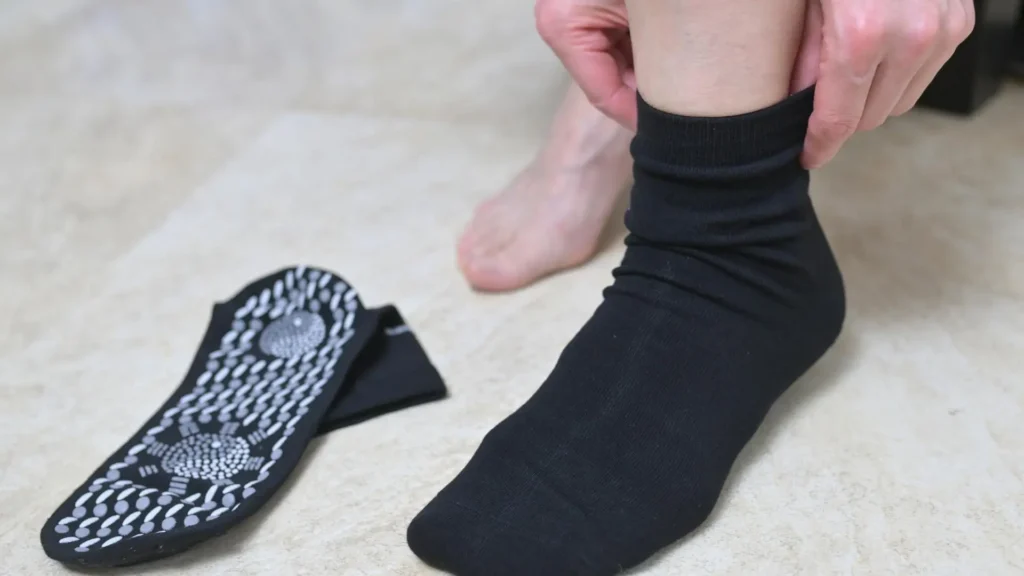
Sensory issues with socks are one of the most common and frustrating challenges faced by children with sensory processing differences. If your child melts down every morning over socks, you are absolutely not alone.
One of the most common and aggravating! sensory challenges adult with sensory sensitivities face are issues related to socks. And if you are irritated, distracted or overwhelmed just by wearing socks, you are not the only one!
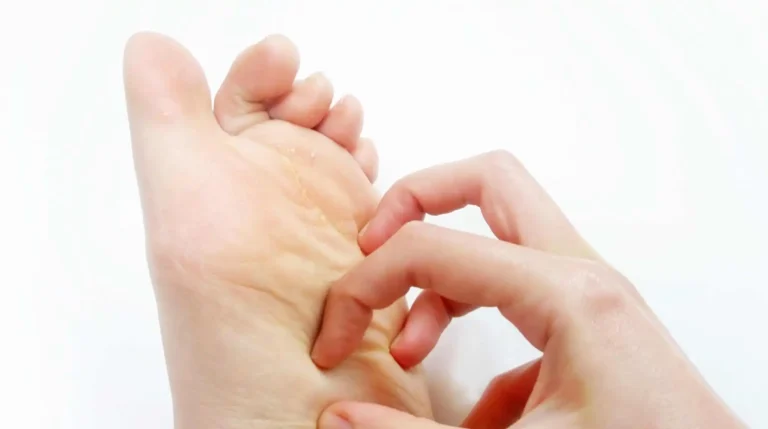
Many adults who struggle with socks are far more tactile sensitive in their nervous system. Seams, fabrics textures, tight elastic or even just light pressure can initiate exacerbating discomfort that is considerably worse than a minor annoyance it can seem downright unbearable.
It happens all too often in adults with SPD, ADHD and/or autism. As the brain mistakes normal feelings of touch for unpleasant or even painful ones, a bare-footed person who wants to wear socks is faced with an insurmountable daily challenge.
Signs your child has sock sensory sensitivity
Recognising the signs early makes a real difference. Watch out for:
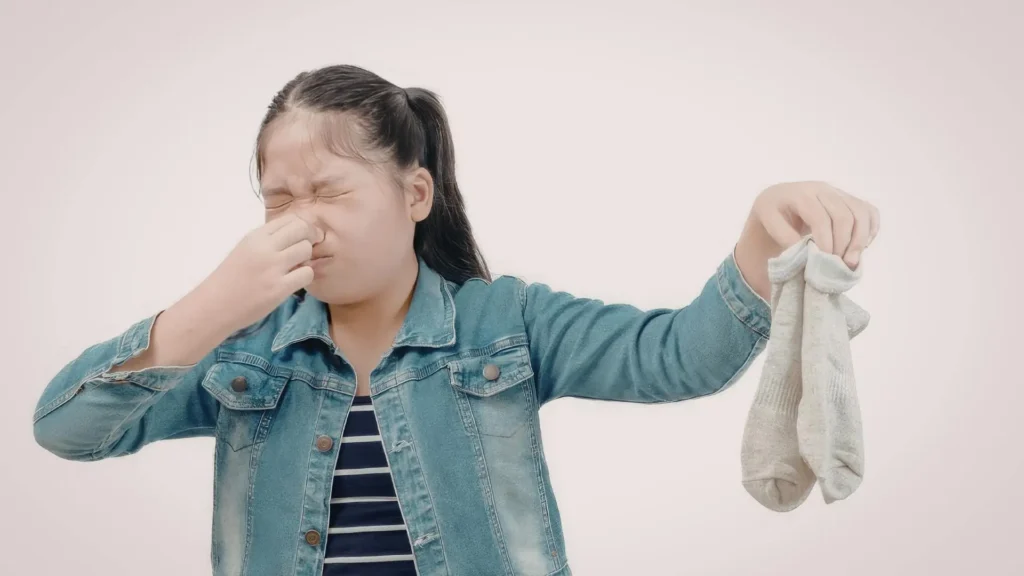
Refusing to wear socks at all · Constant sock removal throughout the day · Meltdowns specifically at dressing time · Complaints about seams, tightness, or fabric “feeling wrong” · Pulling socks off immediately after putting them on.
These are classic indicators of sensory issues with socks and deserve to be taken seriously. See our guide on managing sensory processing at home for broader context.
7 proven solutions that actually work
1. Switch to seamless socks
Seamless socks eliminate the number-one irritant. Brands like Sensory Smart and Jefferies make socks with flat toe seams or no seams at all — a game-changer for many families.
2. Try inside-out socks
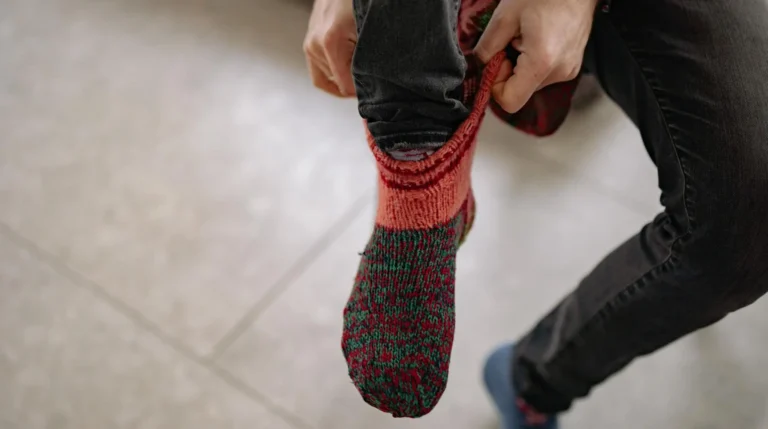
A simple trick: turn socks inside out so the seam faces away from skin. Many parents report this resolves sensory issues with socks instantly without buying anything new.
3. Compression socks for proprioceptive input
Some children with sensory differences actually feel more comfortable with gentle compression. Mild compression socks can provide reassuring proprioceptive feedback. Check our article on compression clothing for sensory kids for recommendations.
4. Choose the right fabric
Natural fibres like bamboo and cotton are softer and less scratchy than synthetic blends. Avoid wool and nylon for children with sensory issues with socks.
5. Gradual desensitisation
Occupational therapists often recommend a structured exposure programme: start with socks on for 30 seconds, build gradually. This rewires the nervous system’s response over weeks. The American Occupational Therapy Association has excellent resources on desensitisation techniques.
6. Let your child choose
Giving children ownership over their sock choice reduces resistance dramatically. Let them pick from pre-approved sensory-friendly options.
7. Use a consistent morning routine
Predictability reduces anxiety. A visual schedule that includes sock time — same order, same calm approach every morning — can significantly ease sensory issues with socks. Read our post on building a sensory-friendly morning routine for a step-by-step plan.
Best sock types for sensory-sensitive
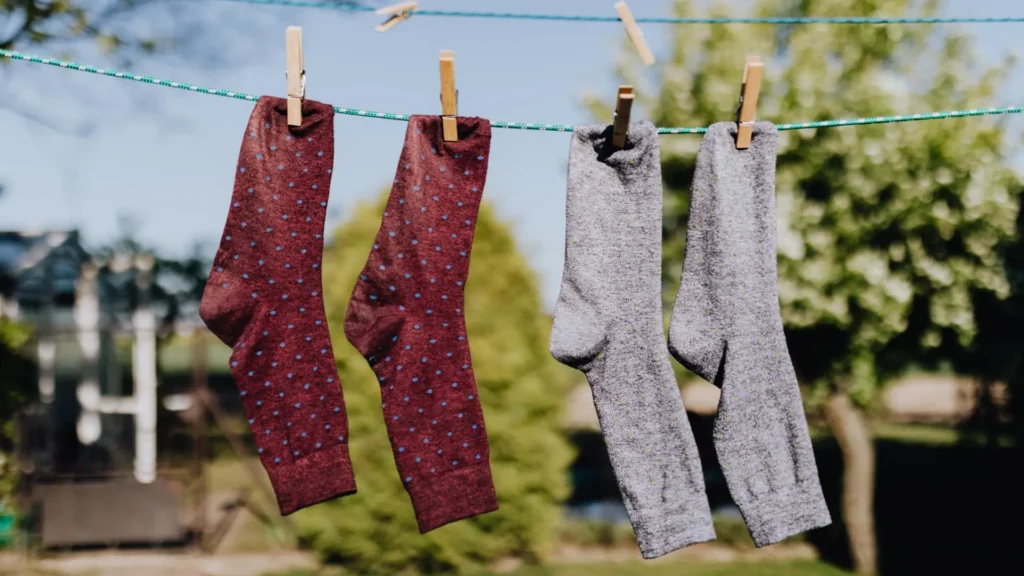
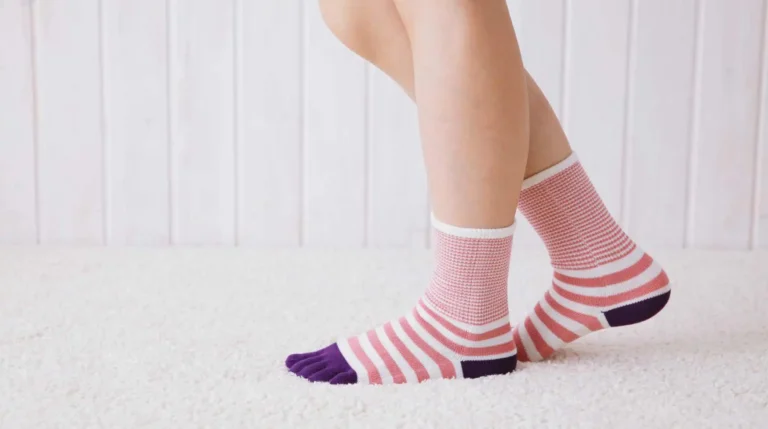
Not all sensory-friendly socks are equal. The best options combine seamless construction, soft natural fibre, and a relaxed-fit cuff that does not dig in at the ankle.
When to seek professional support
If sensory issues with socks are part of a wider pattern of sensory avoidance affecting daily life, an occupational therapist specialising in sensory integration can provide a tailored programme. Early intervention delivers the best outcomes.
Frequently asked questions
Are sensory issues with socks a sign of autism?
Sock sensitivity is common in autistic children but also appears in children without an autism diagnosis. It can be an isolated sensory trait or part of broader SPD.
grow out of sensory sock issues?
Many adult do improve with age and targeted sensory strategies. Professional support speeds this process considerably.