Best Autism Socks for Adults: 9 Life-Changing Picks for Sensory Comfort
Autism Socks for Adults
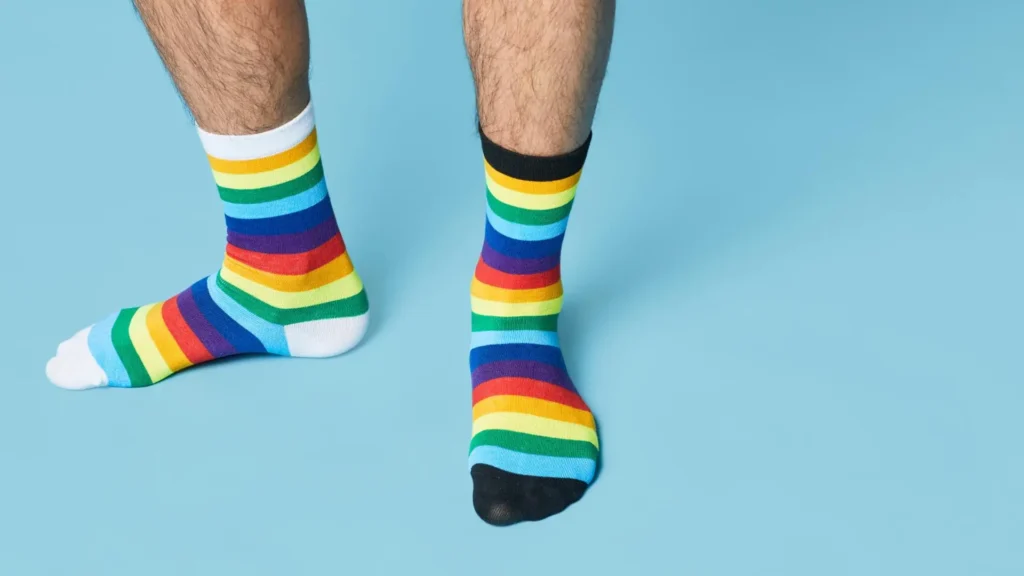
Autism socks for adults are not a luxury they are a daily necessity for many autistic people. The wrong pair of socks can derail an entire morning, spike anxiety, and make leaving the house feel impossible.
In this guide, we break down exactly what to look for, what to avoid, and the 9 best options available right now
Why autism socks for adults matter
Sensory sensitivity does not disappear in adulthood. For autistic adults, tactile discomfort from socks — seams, elastic bands, rough fabric — can cause genuine distress that affects focus, mood, and wellbeing throughout the day.
Research from the National Autistic Society confirms that sensory differences affect the vast majority of autistic people. Finding the right autism socks for adults is a simple, high-impact adjustment that makes real life easier.
See our related guide on sensory-friendly clothing for autistic adults for a broader wardrobe strateg
What makes a sock sensory-friendly?
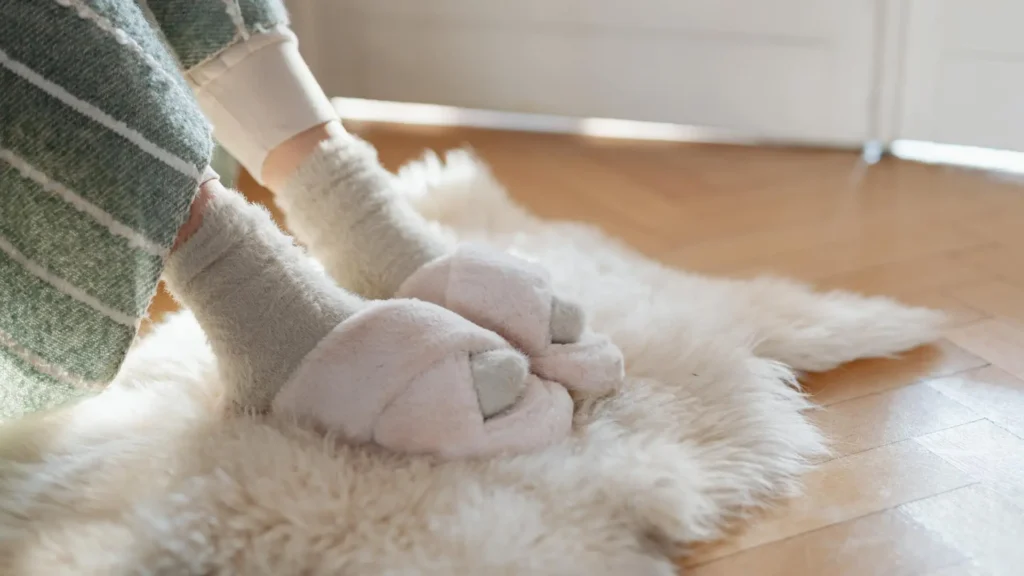
Not every sock marketed as “soft” works for autistic adults. Genuine autism socks for adults share specific features:
Seamless or flat-seam toe — eliminates the most common irritant point. Non-binding cuff — no tight elastic that digs into the ankle. Natural fibres — bamboo and organic cotton breathe better and feel softer than synthetics. Consistent texture — no lumps, pills, or uneven weave that creates surprise sensations.
Tip: Always check the toe seam first. Even socks labelled “seamless” sometimes have a micro-seam — run your finger along the inside before buying.
9 best autism socks for adults
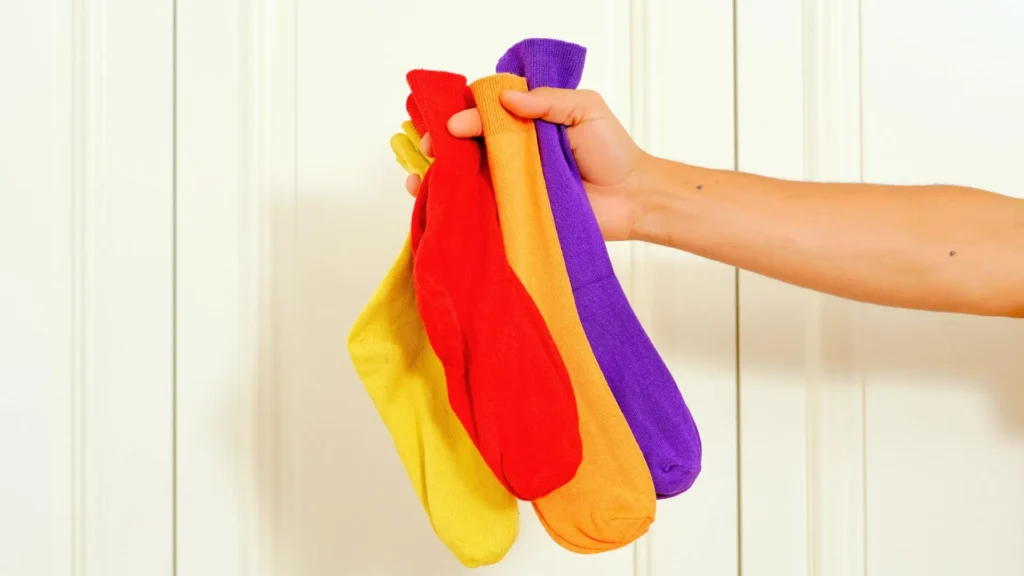
1. Seamless bamboo crew socks
Bamboo fibre is naturally hypoallergenic, moisture-wicking, and exceptionally soft. Seamless bamboo crew socks are consistently the top pick among autistic adults for everyday wear.
2. Compression ankle socks
Mild compression provides proprioceptive input that many autistic adults find grounding and calming. A light 15–20 mmHg ankle sock can reduce sensory overload during high-stress days.
3. No-show liner socks (seamless)
For warmer months or low-cut shoes, seamless no-show liners keep feet comfortable without bulk. Look for a silicone heel grip so they stay put without constricting.
4. Organic cotton knee-high socks
Knee-highs with a wide, non-binding cuff offer full leg coverage for those who find exposed skin against clothing uncomfortable. Organic cotton avoids chemical irritants in standard dyed fabrics.
5. Wool-free thermal socks
Standard wool is a common sensory trigger. Merino wool alternatives or acrylic-free fleece-lined socks deliver warmth without the itch — ideal autism socks for adults in colder climates.
6. Inside-out athletic socks
A budget-friendly workaround: quality athletic socks worn inside-out move the seam away from skin. Pair with a seamless toe and this can replicate specialist socks at a fraction of the cost.
7. Sensory-specific toe socks
Toe socks eliminate friction between toes, which some autistic adults find more comfortable than standard socks where toes press together. Takes some adjustment but many convert permanently.
8. Thin cotton diabetic socks
Diabetic socks are designed for maximum comfort with non-binding tops, smooth interiors, and minimal seaming — making them excellent autism socks for adults even without diabetes.
9. Custom orthopaedic sensory socks
For complex sensory needs, custom orthopaedic options — often recommended by occupational therapists — combine arch support, seamless construction, and adaptive compression. Check our post on occupational therapy for sensory adults for how to access these.
Seamless vs. compression: which is right for you?
Seamless socks work best for those whose primary trigger is texture and seams. Compression socks suit those who benefit from proprioceptive feedback and a “held” feeling. Many autistic adults use both depending on the day.
How to find your perfect fit
Order small quantities first. Sensory responses are highly individual — what works brilliantly for one person may be unbearable for another. Most specialist brands offer sample packs specifically because of this.
The Autism Society of America recommends trialling new clothing items at home before committing to wearing them outside — excellent advice for any new autism socks for adults purchase.
Tips for building a sensory-friendly wardrobe
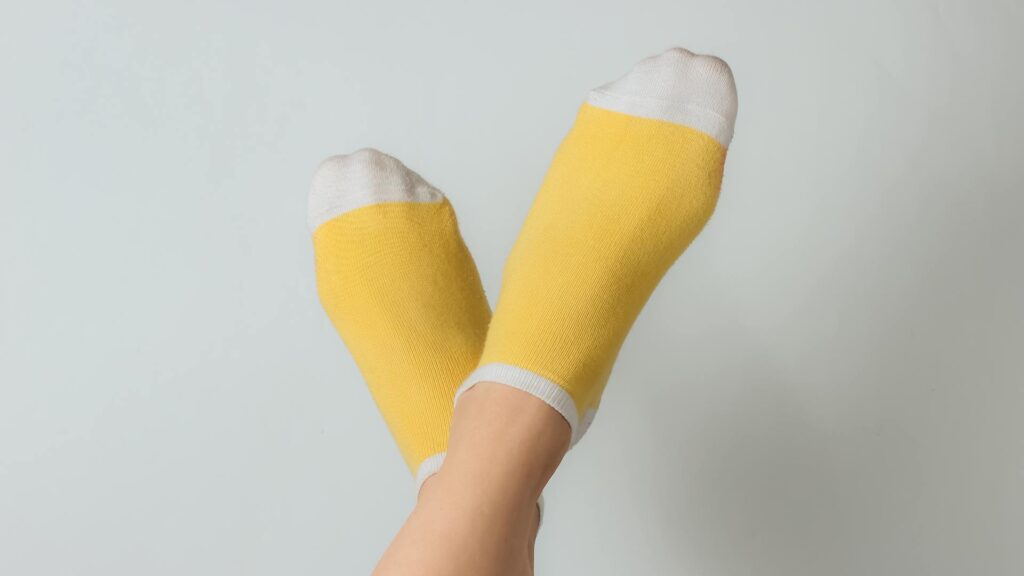
Start with socks and underwear — the items closest to skin have the biggest sensory impact. Once you find brands that work, buy multiples in identical styles to eliminate daily decision-making. Read our full guide on building a sensory-friendly wardrobe for a complete framework.
When to seek occupational therapy support
If sensory sensitivity around clothing is severely impacting daily life, an occupational therapist specialising in sensory integration can create a personalised plan. Early, targeted support has strong evidence behind it.
Frequently asked questions
What are the best autism socks for adults with wide feet?
Look for seamless socks with a wide-width option or stretchy bamboo fabric. Avoid socks with reinforced toes, which tend to be rigid and constricting on wider feet.
Are autism socks for adults different from regular socks?
Yes. They are specifically constructed to minimise tactile triggers: no internal seams, softer fibre blends, and non-binding cuffs. Standard socks rarely meet all three criteria.
Can autism socks for adults help with sensory overload?
Eliminating a persistent sensory irritant — like an uncomfortable sock — reduces the cumulative sensory load on the nervous system, which can meaningfully lower overall overload risk throughout the day.