Compression Socks Itchy? 7 Honest Reasons Why and How to Fix It Fast
Compression socks itchy sensation is caused by one or more of seven common factors: synthetic fabric irritation, incorrect size, latex allergy, skin dryness, tight elastic, unwashed new socks, or an underlying skin condition. In simple terms, compression socks itchy problems are almost always fixable either by switching to a natural-fibre option, adjusting the fit, or…
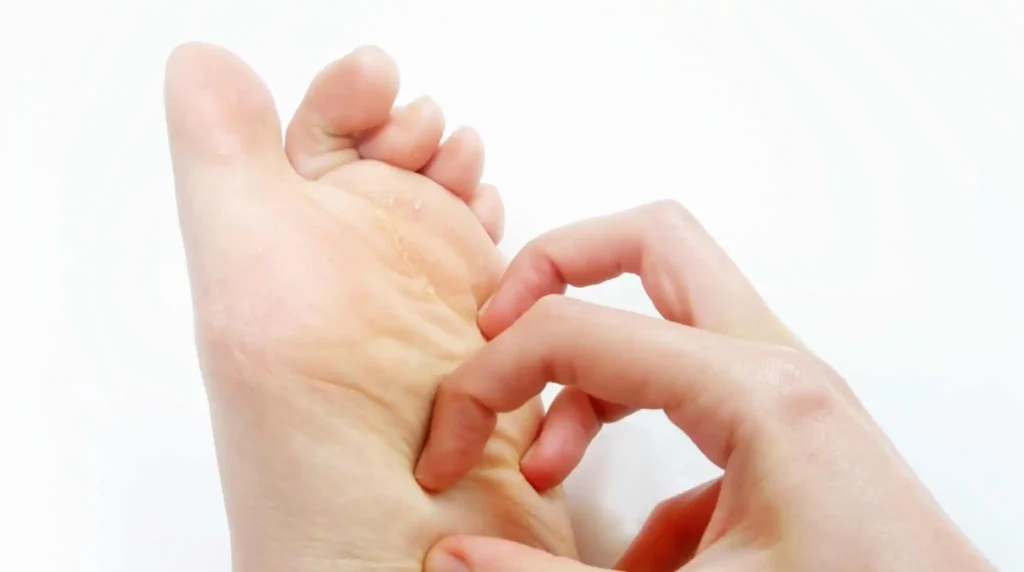
Compression socks itchy sensation is caused by one or more of seven common factors: synthetic fabric irritation, incorrect size, latex allergy, skin dryness, tight elastic, unwashed new socks, or an underlying skin condition.
In simple terms, compression socks itchy problems are almost always fixable either by switching to a natural-fibre option, adjusting the fit, or treating the skin underneath before wearing.
The short answer: itchy compression socks are a solvable problem, not a permanent one.
Compression socks itchy complaints are one of the most common reasons people abandon compression therapy altogether which is a real shame, because compression socks provide genuine medical benefits for circulation, swelling, and fatigue.Here’s the thing: the itching usually isn’t unavoidable. In most cases, there’s a specific, fixable cause.
This guide covers the 7 most common reasons compression socks feel itchy and exactly what to do about each one
Table of Contents
- Why do compression socks feel itchy?
- 7 honest reasons your compression socks are itchy
- Best fabrics to stop compression socks being itchy
- Step-by-step fixes
- When to see a doctor
- Frequently asked questions
- Key takeaways
Why Do Compression Socks Feel Itchy?
Compression socks are tighter than standard socks by design they apply graduated pressure to improve blood circulation in the legs. That same pressure, however, can amplify any irritation from fabric, fit, or skin condition.
Here’s why: when fabric presses consistently against skin with more force than usual, any friction, chemical residue, or texture becomes harder for the skin to ignore.
Most compression socks itchy problems are not the compression itself they’re one of the seven specific factors below.
Medical context: According to the NHS, compression socks are recommended for DVT prevention, varicose veins, and post-surgical recovery. Discontinuing use due to itching can have clinical consequences so finding the right solution matters.
7 Honest Reasons Your Compression Socks Are Itchy
Synthetic Fabric Irritation
Most standard compression socks are made from nylon, polyester, or spandex blends. These synthetic fibres can cause compression socks itchy reactions particularly in people with sensitive skin or sensory hypersensitivity.
Synthetic fibres trap heat, reduce breathability, and can carry residual chemical finishes from the manufacturing process.
- Fix: Switch to compression socks made from bamboo, organic cotton, or merino wool natural fibres that breathe and minimise friction against reactive skin.
Wrong Size or Compression Level
Compression socks that are too tight create excessive pressure on the skin’s surface intensifying any itchy sensation. A sock that’s too loose, conversely, bunches and creates friction points.
Honestly, incorrect sizing is the most overlooked cause of compression socks itchy complaints.
- Fix: Measure calf circumference and ankle size carefully. Start with a lower compression level (8–15 mmHg) if you’re new to compression therapy.
Latex Allergy
Many compression socks contain latex elastic in the cuff or throughout the sock structure. Latex allergy causes localised itching, redness, and in some cases hives specifically where the sock contacts skin.
- Fix: Choose explicitly latex-free compression socks. Many brands now manufacture latex-free options specifically for allergy sufferers.
Dry or Compromised Skin
Dry skin is more reactive to compression and friction. The pressure from compression socks on dry, flaky skin significantly worsens itching especially around the shin and ankle where compression is highest.
- Fix: Moisturise legs thoroughly before putting on compression socks. Allow the moisturiser to absorb fully before wearing damp skin under a tight sock creates its own problems.
Unwashed New Socks
New compression socks often carry chemical finishing agents from the manufacturing process fabric softeners, dye fixatives, and sizing compounds. These residues are a common cause of first-wear compression socks itchy reactions.
- Fix: Always wash compression socks before the first wear. Use a fragrance-free, hypoallergenic detergent and rinse thoroughly.
Tight or Rough Elastic Cuff
The cuff is the most pressure-intensive part of the compression sock. A rough or overly rigid cuff edge creates constant friction against the skin just below the knee one of the most frequently reported itch locations.
- Fix: Look for compression socks with wide, silicone-free silky cuffs. Fold the cuff down slightly if it’s pressing too hard at the top edge.
Underlying Skin Condition
Eczema, psoriasis, contact dermatitis, and venous stasis dermatitis can all make compression socks itchy sensations significantly worse or mask themselves as sock-related itching when the sock is actually just exposing a pre-existing condition.
- Fix: If itching persists despite switching fabrics and sizes, consult a dermatologist or GP. A pre-existing skin condition requires its own treatment before compression therapy can be comfortable.
Best Fabrics to Stop Compression Socks Being Itchy
Fabric choice is the single most effective fix for most compression socks itchy problems. Here’s what to look for and what to avoid:
Best fabrics for non-itchy compression socks
- Bamboo viscose naturally antibacterial, temperature-regulating, and incredibly soft against reactive skin
- Organic cotton breathable, hypoallergenic, free from chemical finishes when GOTS-certified
- Fine merino wool naturally soft (not scratchy like standard wool), excellent moisture management
- Smooth modal silky texture, minimal friction, good for sensitive skin
Fabrics to avoid if compression socks feel itchy
- Standard nylon synthetic, low breathability, common friction trigger
- Rough polyester blends heat-trapping, can contain irritating chemical finishes
- Wool blends (non-merino) scratchy fibres amplify compression-related friction
- Latex-containing elastic direct trigger for latex allergy sufferers
Compression Socks Itchy: Cause vs Fix Quick Reference
| Cause | Main Symptom | Fix | Difficulty |
|---|---|---|---|
| Synthetic fabric | General itching / heat | Switch to bamboo or organic cotton | Easy |
| Wrong size | Intense pressure / marks | Remeasure + resize | Easy |
| Latex allergy | Localised redness / hives | Choose latex-free option | Easy |
| Dry skin | Flaky / tight itching | Moisturise before wearing | Easy |
| Unwashed socks | First-wear irritation | Wash before first use | Very easy |
| Rough cuff | Top-of-sock itching | Softer wide-cuff style | Easy |
| Skin condition | Persistent / widespread | GP / dermatologist consultation | Seek help |
Step-by-Step: How to Stop Compression Socks Being Itchy
Wash before first wear
Always. Use fragrance-free detergent. This removes manufacturing residues that cause most first-wear compression socks itchy reactions immediately.
Moisturise your legs first
Apply a fragrance-free moisturiser to clean, dry legs 15 minutes before putting on your compression socks. Let it absorb fully. Hydrated skin tolerates compression far better.
Check your size and compression level
Measure calf circumference at the widest point and ankle circumference just above the bone. Compare against the brand’s sizing chart. If in doubt, go lighter on compression level first.
Switch to a natural-fibre option
Bamboo or organic cotton compression socks are widely available and significantly reduce compression socks itchy reactions in most adults with sensitive or reactive skin.
Consult a doctor if itching persists
If itching continues after trying all the above, see your GP. You may have an underlying skin condition or latex sensitivity that needs specific diagnosis and treatment.
When to See a Doctor About Itchy Compression Socks
Most compression socks itchy problems resolve with the fixes above. But some situations warrant professional advice.
See your GP if you experience: hives or raised welts where the sock sits · blistering or open skin · swelling that worsens with the sock on · itching that spreads beyond the sock area · symptoms that return immediately with any compression sock regardless of fabric.
These may indicate latex allergy, venous dermatitis, or another condition that needs treatment alongside not instead of your compression therapy.
The NHS compression stockings guidance and the American Academy of Dermatology both recommend seeking medical advice if skin reactions persist with compression garments.
Frequently Asked Questions
Why are my compression socks so itchy?
The most common causes of compression socks feeling itchy are synthetic fabric irritation, incorrect size, latex allergy, dry skin underneath, or unwashed new socks. In most cases, switching to a natural-fibre option and moisturising before wearing resolves the problem quickly.
Can I be allergic to compression socks?
Yes. Latex allergy is a genuine and relatively common cause of compression socks itchy reactions producing localised redness, itching, and sometimes hives exactly where the sock sits. Latex-free compression socks are widely available and solve this problem completely.
What compression socks don’t cause itching?
Bamboo viscose, organic cotton, and fine merino wool compression socks are the least likely to cause itching. These natural fibres are breathable, soft against reactive skin, and free from the synthetic finishes that trigger most compression socks itchy reactions.
Should I stop wearing compression socks if they itch?
Not necessarily especially if they’ve been prescribed for a medical reason. Instead, identify the cause first (fabric, size, dry skin, latex). Try the fixes in this guide before discontinuing. If itching persists despite changes, consult your GP before stopping compression therapy.
Does dry skin make compression socks more itchy?
Yes, significantly. Dry skin has a compromised surface barrier that is more sensitive to friction and pressure. Applying a fragrance-free moisturiser to legs before wearing compression socks and allowing it to absorb makes a noticeable difference for most people with dry-skin related compression socks itchy problems.
Key Takeaways
Compression socks itchy problems are common but they’re almost never permanent. Every cause on this list has a practical, straightforward solution.
Start with the simplest fixes first: wash your socks, moisturise your legs, check your size. Most people find the problem resolves at that stage without needing to buy anything new.
Summary: Compression Socks Itchy Quick Reference
- Most common cause: Synthetic fabric irritation switch to bamboo or organic cotton
- Easiest free fix: Wash socks before first wear + moisturise legs before wearing
- Check your size: Incorrect compression level is the most overlooked cause
- Latex allergy: Choose explicitly latex-free compression socks if you suspect this
- Persistent itching: See your GP a skin condition may need treatment
- Best fabrics: Bamboo · Organic cotton · Fine merino · Modal
- Avoid: Standard nylon · Polyester blends · Non-merino wool