Is Chewing Clothes a Sign of Autism? 7 Important Things Every Parent Should Know
If you’ve found yourself Googling “is chewing clothes a sign of autism” at 11pm while your child is asleep firstly, you’re not alone. Not even a little bit. This is one of the most common questions I see from parents in sensory communities, and honestly, it’s one I had myself. My own child went through…

If you’ve found yourself Googling “is chewing clothes a sign of autism” at 11pm while your child is asleep firstly, you’re not alone. Not even a little bit. This is one of the most common questions I see from parents in sensory communities, and honestly, it’s one I had myself.
My own child went through a phase of chewing through collar after collar. Sleeves, cuffs, the corner of their school jumper. Everything. And the looks you get from other parents at the school gate don’t get me started.
So let’s actually talk about it. Because the answer isn’t as simple as yes or no and understanding what’s really going on makes a huge difference.
Is chewing clothes a sign of autism the honest answer
It can be. But it’s not always. That’s the honest truth, and I think it’s worth saying upfront rather than dancing around it.
Is chewing clothes a sign of autism? Yes, it’s a recognised sensory behaviour that appears frequently in autistic children and adults. But it also appears in children with ADHD, anxiety, sensory processing differences, and sometimes in children with no diagnosis at all.
So chewing clothes doesn’t automatically mean autism. What it does mean is that your child’s nervous system is seeking sensory input specifically oral sensory input and finding it in their clothing because it’s always there, always available, and it works.
The National Autistic Society recognises oral sensory seeking including chewing on objects and clothing as a common sensory behaviour in autistic people. It’s not a habit to simply break. It’s a form of self-regulation.
What is chewing behaviour actually called?
The technical term is oral sensory seeking or sometimes mouthing. When it becomes a consistent pattern of chewing on non-food items clothes, pencils, toys, hands it falls under what occupational therapists call oral sensory processing differences.
It’s worth knowing this because when you go to your GP or a specialist and ask “is chewing clothes a sign of autism”, having the right language helps you have a more productive conversation. You can say: “My child shows oral sensory seeking behaviour” and suddenly people take you a lot more seriously.
Why do autistic children chew on clothing?
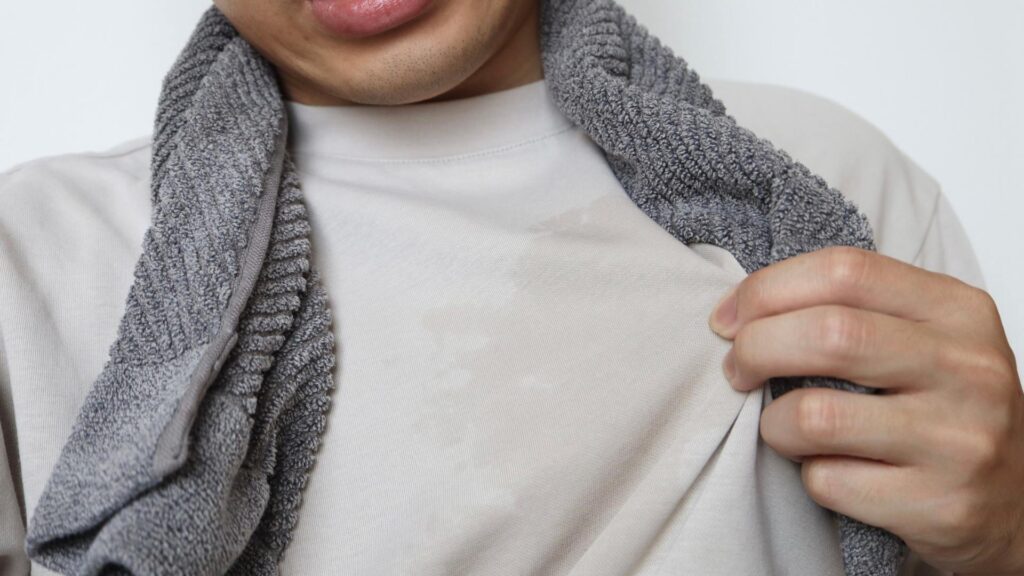
This is the bit that really helped me understand what was happening. Autistic children often have differences in how they process sensory information. Some are hypersensitive overwhelmed by input. Others are hyposensitive not getting enough input from the world around them.
Children who chew clothing are usually in that second group, at least when it comes to oral sensation. Their nervous system is under-stimulated in that area and it’s seeking more input. Chewing provides pressure, texture, and proprioceptive feedback to the jaw and mouth — it’s genuinely regulating. It helps them focus, calm down, or just feel more settled in their body.
So when you ask is chewing clothes a sign of autism, part of what you’re really asking is: why is my child doing this? And the answer is because it helps them. Even if it’s destroying every jumper they own.
According to the STAR Institute for Sensory Processing, oral sensory seeking is one of the most common self-regulatory behaviours in children with sensory differences — and one of the most manageable with the right support and tools.
Is it always autism? Other reasons kids chew clothes
No and I think this is really important to say. Is chewing clothes a sign of autism is a fair question, but chewing behaviour appears in lots of different children for lots of different reasons.
ADHD children with ADHD often chew to help them concentrate and manage restlessness. The oral input helps regulate their arousal level. Anxiety chewing can be a self-soothing mechanism when a child feels anxious or overwhelmed. Similar to nail-biting in adults, honestly. Sensory Processing Disorder without autism SPD is its own thing and doesn’t always come with an autism diagnosis. Developmental phase very young children who are still in a mouthing stage. Nutritional deficiency occasionally, pica (eating non-food items) can relate to deficiencies, worth mentioning to your GP.
In other words, chewing clothes is a sign that something sensory or emotional is going on — but it doesn’t tell you the diagnosis on its own.
When should you be concerned?
Honestly, the behaviour itself isn’t dangerous in most cases. The things to watch for are: chewing that results in ingesting fabric or other materials, chewing that causes dental problems, chewing that seems to be increasing in intensity or frequency, or chewing alongside other signs that are significantly affecting your child’s daily life.
If you’re seeing those things, it’s time to talk to someone. But if your child is chewing their collar and otherwise doing okay that’s manageable, and there are really good tools for it.
7 important things every parent should know
1. Chewing clothes is self-regulation, not naughtiness
This was the most important shift for me. When I stopped seeing it as bad behaviour and started seeing it as my child trying to cope, everything changed. They’re not doing it to be difficult. They’re doing it because they need to.
2. Punishing it usually makes things worse
If you remove the coping strategy without replacing it with something else, the need doesn’t go away — it just finds a new outlet. Sometimes a worse one. This is why simply telling a child to stop rarely works long-term.
3. Chewelry is a real and genuinely useful thing
Chewelry — jewellery designed specifically for chewing — gives children a safe, socially acceptable oral sensory outlet. Pendants, bracelets, tags worn on a lanyard. They come in different textures and resistance levels. We have a full guide on the best chewelry for children with sensory needs if you want specifics.
4. An occupational therapist can help enormously
An OT who specialises in sensory integration can assess your child’s oral sensory profile and recommend targeted tools and strategies. If you’re asking is chewing clothes a sign of autism and want a real answer, an OT is one of the best people to talk to alongside your GP.
5. It often goes alongside other sensory behaviours
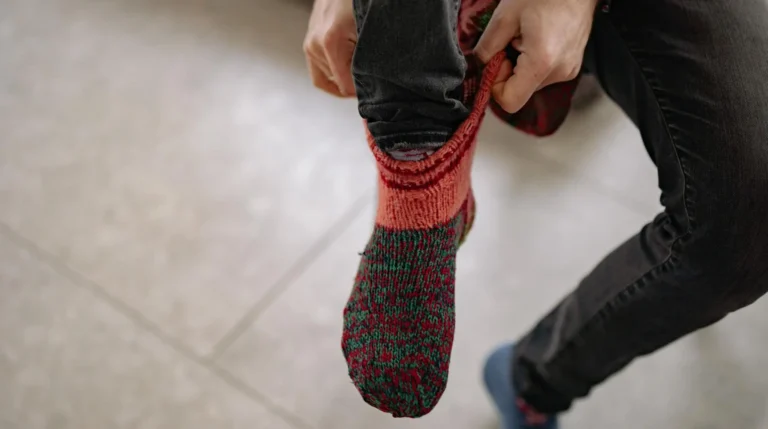
Chewing clothes rarely appears in isolation. You might also notice hand-flapping, rocking, strong reactions to loud noises or certain textures, or difficulty with transitions. Taken together, these give a clearer picture. See our article on sensory issues with socks and clothing for more on how these behaviours connect.
6. School needs to know — and you can advocate for accommodations
Many children chew more at school because it’s a high-demand, high-stimulation environment. You can request that your child be allowed to use a chew tool in class. Most schools, once they understand it’s a sensory regulation need, are more accommodating than you’d expect.
7. It doesn’t automatically mean your child has autism
I keep coming back to this because I know how scary it can feel when you’re first Googling “is chewing clothes a sign of autism.” It might be autism. It might not be. Either way, understanding the behaviour and responding to the underlying need is the right first step — regardless of what a diagnosis eventually says.
What actually helps — practical options that work
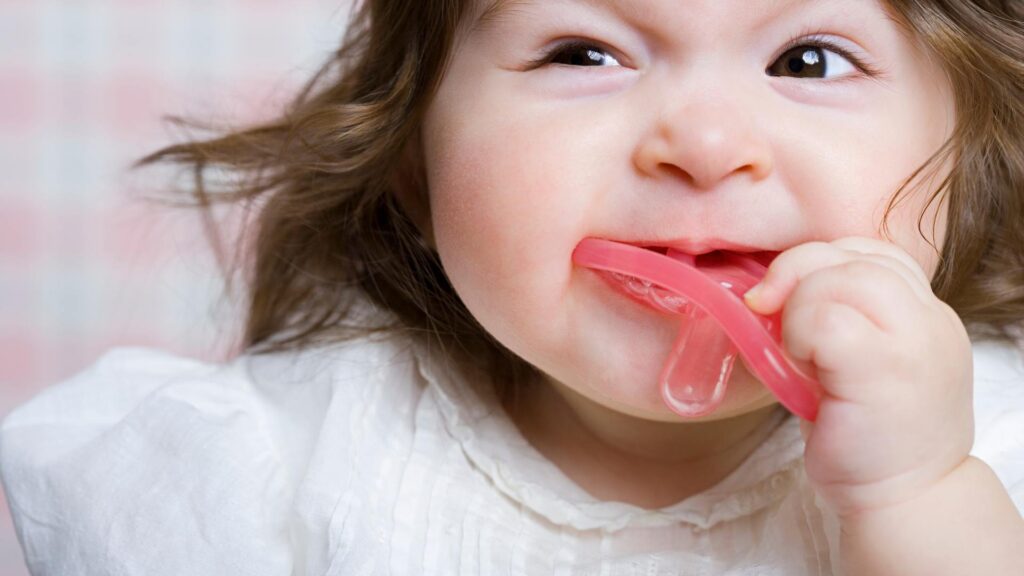
Okay so let’s get into actual solutions, because that’s probably what you came here for.
Chewelry — the first thing to try. Silicone pendants in different textures and resistance levels. Look for ones certified food-safe. Chew tubes — firmer than pendants, for children who are heavy chewers. Crunchy snacks at strategic times — offering oral sensory input through food (carrots, crackers, apples) before high-demand periods can reduce the urge to chew clothing. Sensory breaks — building in regular movement breaks reduces overall sensory overload, which often reduces oral seeking too. Sensory diet — a personalised plan from an OT that schedules sensory input throughout the day. Check our guide on building a sensory diet for children for more on how this works.
Quick note: avoid shame-based approaches like putting bitter-tasting sprays on clothing. These don’t address the underlying need and can cause significant distress. The goal is to give your child something better to chew — not to punish the chewing.
Talking to your child’s school about chewing
This can feel awkward but it’s genuinely worth doing. Most teachers have seen this before and are more understanding than parents expect. The key is framing it correctly: not “my child has a bad habit” but “my child has an oral sensory need and these are the tools that help.”
Bring a note from your OT if you have one. It makes the conversation much easier and means the school is more likely to put accommodations in place quickly.
When to seek a professional assessment
If you’re genuinely wondering is chewing clothes a sign of autism — and you’re seeing other things alongside it it’s worth seeking an assessment. Not because a label changes who your child is, but because a diagnosis opens doors to support, school accommodations, and a much clearer understanding of how your child’s brain works.
Start with your GP. Ask for a referral to a developmental paediatrician or a community paediatrics team. You can also self-refer to many occupational therapy services. The Understood Foundation has a really clear guide on navigating the assessment process if you’re not sure where to begin.
Questions parents actually ask me
My child only chews at school does that mean anything?
It usually means school is a higher-demand sensory environment than home. Which makes sense it’s louder, busier, more unpredictable. The underlying sensory need is the same, it’s just more triggered in that setting. Worth flagging with the school and exploring sensory break strategies.
Is chewing clothes a sign of autism in adults too?
Yes. Many autistic adults chew pens, straws, the inside of their cheek. Is chewing clothes a sign of autism is often asked about children, but oral sensory seeking doesn’t stop at 18. Chewelry exists for adults too, and it’s more discreet and stylish than you’d think.
How do I get my child to use chewelry instead of their clothes?
Let them choose it. Seriously. If a child picks their own chew pendant the colour, the texture, the shape they’re much more likely to actually use it. Make it feel special, not medicinal.
Is it dangerous to chew on clothing?
In most cases, no though it can cause dental wear over time with very persistent heavy chewing, and there’s a small risk of ingesting fabric fibres. These are good reasons to redirect toward a proper chew tool, but it’s generally not an emergency situation.
So is chewing clothes a sign of autism? Maybe. But more importantly, it’s a sign that your child needs something their nervous system isn’t getting. And that’s something you can actually do something about. You’ve got this.