Sensory Clothing for College Students with Autism and ADHD: 10 Essential Picks That Work
Sensory clothing for college students with autism and ADHD refers to garments specifically chosen to reduce tactile discomfort, minimise distraction, and support focus during long lectures, study sessions, and campus life. The best options combine tagless construction, soft natural fabrics like bamboo or modal, seamless clothing for autism, and compression clothing for ADHD focus. Building…

Sensory clothing for college students with autism and ADHD refers to garments specifically chosen to reduce tactile discomfort, minimise distraction, and support focus during long lectures, study sessions, and campus life. The best options combine tagless construction, soft natural fabrics like bamboo or modal, seamless clothing for autism, and compression clothing for ADHD focus. Building a small wardrobe of these essentials can meaningfully reduce daily sensory load and help neurodivergent students manage their energy more effectively.
Sensory clothing for college students with autism and ADHD is one of those topics that does not get nearly enough attention, considering how much it affects daily life on campus. Getting through a three-hour lecture is hard enough. Getting through it when your collar is scratching your neck and your jeans are pressing into your waist is genuinely exhausting in a way most people will never understand.
For neurodivergent students, clothing is not just an aesthetic choice. It is a functional one. The wrong fabric on the wrong day can drain enough mental bandwidth to affect your notes, your social energy, and your ability to get anything done after class.
Contents
- What is sensory clothing for autistic and ADHD students?
- Why it matters on campus
- What to look for
- 10 essential picks for campus life
- Clothing types compared
- How to build your sensory wardrobe
- Frequently asked questions
- Key takeaways
What is Sensory Clothing for College Students with Autism and ADHD?
In simple terms, sensory clothing for college students with autism and ADHD is clothing selected or designed to reduce the tactile input that interferes with attention, comfort, and daily functioning. The short answer is: it is clothing that stops being a problem so your brain can focus on everything else.
Sensory friendly clothing for adults is defined by specific design features: no irritating tags, flat or seamless seams, soft non-scratchy fabrics, non-restrictive fits, and in some cases gentle compression for grounding and focus. For students on the autism spectrum or with ADHD, these features are not preferences. They are supports.
According to research published by the Autism Research Institute, sensory processing difficulties affect upwards of 90 percent of autistic individuals. Clothing is one of the most consistently reported tactile challenges. For college students managing coursework, social pressure, and independent living, getting this one thing right frees up real cognitive capacity.
Why It Matters on Campus
College is already one of the most demanding sensory environments a young neurodivergent adult will navigate. Crowded lecture halls, fluorescent lighting, open-plan libraries, unpredictable schedules: the sensory load is high before clothing even enters the picture.
Campus scenario
You sit down for a 9am lecture. The seam on your sock is sitting wrong. Your hoodie fabric is slightly rough today for some reason. Your waistband is tighter than it was last week. By 9:20, you have spent more mental energy managing discomfort than taking notes. This is not a focus problem. It is a sensory clothing problem.
Honestly, the number of neurodivergent students who attribute poor academic performance to sensory overwhelm rather than academic ability is significant and underreported. Soft clothing for sensory issues is not a comfort indulgence. It is a reasonable accommodation that students can build for themselves.
And the impact goes beyond lectures. Dorm life, social situations, commuting, even wearing the right thing to a campus job interview: sensory friendly clothing for adults supports all of it.
What to Look for in Campus Sensory Clothing
- Tagless or printed labels: The single most impactful feature. Tags at the neck or side seam create constant background irritation. Remove them the moment you buy something new, or shop tagless from the start.
- Seamless or flatlock seams: Seamless clothing for autism reduces pressure points along the shoulder, underarm, and torso. Flatlock seams lie flat rather than creating a raised ridge against the skin.
- Soft natural or semi-natural fabrics: Bamboo, modal, and cotton jersey are the most tolerated. They breathe, do not scratch, and do not stiffen with repeated washing.
- Relaxed or non-restrictive fit: Tight clothing adds constant pressure input all day. A relaxed fit reduces that load significantly without needing to go shapeless.
- Compression clothing for ADHD focus: Light compression garments, particularly for the torso or arms, provide proprioceptive input that many ADHD students find grounding and focus-supporting during long study sessions.
- Adjustable waistbands or pull-on styles: Fixed waistbands that cannot loosen are a common trigger. Drawstring or elastic styles let you adjust as your body changes through the day.
- Minimal detailing: Embroidery, metal studs, thick decorative seams, and structured collars all add tactile input. Keep it clean and simple.
- Machine washable with consistent texture: Dry-clean-only pieces add a logistical step that many neurodivergent students will quietly stop managing. Stick to machine washable items that feel the same after 30 washes as they did on day one.
10 Essential Sensory Clothing Picks for Campus Life
Bamboo Jersey Hoodie
Soft, temperature-regulating, and tagless. A well-fitted bamboo hoodie is the single most versatile sensory safe clothing item for campus. Brands like Boody and Cariloha offer good options.
Modal Crewneck Tee
Modal has an almost silky surface that does not scratch or cling. It holds its shape over time and works well as a base layer or standalone top throughout the academic year.
Compression Long-Sleeve Base Layer
Compression clothing for ADHD focus works by providing steady, gentle proprioceptive input. Worn under a regular top, it is invisible but functional. Uniqlo’s AIRism line is a popular choice.
Seamless Underwear
Seamless clothing for autism starts at the base layer. Seamless underwear removes the most frequent point of daily tactile irritation entirely. Boody and Uniqlo both offer genuinely seamless options.
Wide-Leg Cotton Pull-On Trousers
Full airflow, no tight waistband, no restrictive cut. A wide-leg pull-on trouser in cotton jersey or Tencel reads as polished in a classroom setting while eliminating the most common lower-body sensory complaint.
Tagless Athletic Socks
Sock seams at the toe are a significant and frequently underestimated trigger. Bombas and Darn Tough both make tagless, seamless-toe options that are actually comfortable over a full campus day.
Soft Fleece Zip Cardigan
A lightweight fleece layer gives temperature control without the scratchy interior of most knit jumpers. Look for anti-pill fleece, which stays smooth even with heavy weekly use.
Seamless Sports Bra or Bralette
For students who wear bras, underwire and structured cups are a significant daily sensory stressor. A seamless, wire-free bralette in soft fabric removes that input entirely. Parade and ThirdLove offer sensory-friendly options.
Slip-On Campus Shoes
Laces require a fine motor decision every time you dress. Slip-on shoes in soft leather or canvas remove that friction and reduce the total number of morning tasks that require executive function.
Weighted or Sensory Lap Pad for Lectures
Not clothing exactly, but deeply relevant. A small weighted lap pad used during lectures provides the same proprioceptive grounding as compression clothing for ADHD focus, without requiring any additional layers.
Sensory Clothing Options Compared for Students
| Item | Best For | Key Feature | Price Range | Rating |
|---|---|---|---|---|
| Bamboo hoodie (Boody / Cariloha) | All-day campus wear, temperature regulation | Tagless, ultra-soft, breathable | $35 to $75 | 5 / 5 |
| Compression base layer (Uniqlo AIRism) | ADHD focus during lectures and studying | Gentle proprioceptive grounding, invisible under clothes | $20 to $40 | 5 / 5 |
| Wide-leg pull-on trousers (Everlane / Quince) | All-day lower body comfort, professional settings | No waistband pressure, full airflow | $30 to $70 | 5 / 5 |
| Seamless underwear (Boody / Uniqlo) | Seam sensitivity at hips and waist | Zero seam contact, tagless, consistent feel | $10 to $25 per item | 5 / 5 |
| Tagless seamless-toe socks (Bombas) | Toe seam sensitivity during long campus days | No toe seam, cushioned, tagless | $12 to $20 per pair | 4 / 5 |
| Modal crewneck tee (Pact / Quince) | Upper body tactile sensitivity, layering | Smooth finish, does not scratch or cling | $20 to $45 | 4 / 5 |
How to Build Your Sensory Wardrobe for College
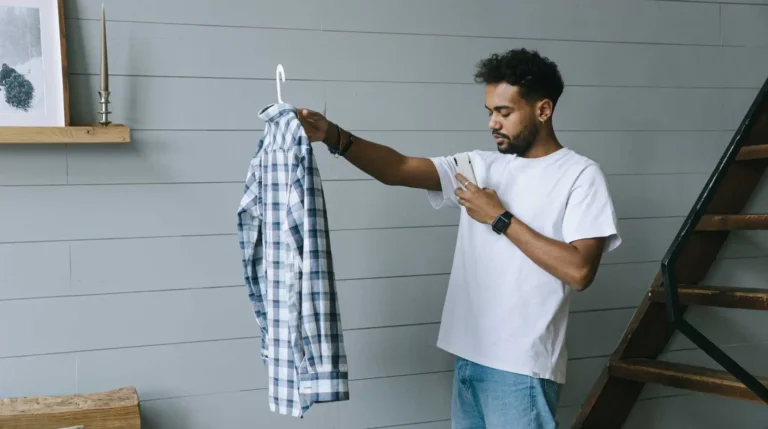
- Start with a sensory audit of what you already own. Try on every item you wear regularly on campus. Note which ones cause discomfort within 30 minutes. Those go first. Be specific about whether it is the fabric, the seam, the waistband, or the fit.
- Identify your top three sensory triggers. For most neurodivergent students it is one of: neck tags, waistbands, toe seams, or rough textures. Knowing your specific triggers means you shop strategically rather than guessing.
- Replace from the inside out. Start with underwear and socks. These are in contact with your skin all day and affect how everything worn over them feels. Get that layer right first before changing outer clothing.
- Build a five-item campus uniform. One reliable outfit formula repeated in clean rotation removes the morning decision entirely. Neurodivergent clothing essentials work best as a system, not as a collection of individual pieces.
- Order online with free returns and wear-test at home. Do not buy sensory clothing in a shop environment where you cannot properly assess how it feels. Order two or three options, wear each for a few hours at home, and return what does not pass.
- Review at the start of each semester. Sensory needs change. What worked in first year may not work in third. A quick review at the start of each term keeps your wardrobe actually functional.
Frequently Asked Questions
What clothes help autistic college students focus better?
Tagless clothing for ADHD adults and autistic students reduces the constant background distraction of tactile irritation, freeing up cognitive capacity for academic tasks. Soft fabrics like bamboo and modal, seamless construction, and compression clothing for ADHD focus are the most consistently reported helpful features. A small wardrobe of reliable sensory safe clothing for students removes the daily decision fatigue around getting dressed as well.
Is compression clothing good for ADHD students?
Yes, for many students it is. Compression clothing for ADHD focus works by providing gentle, consistent proprioceptive input to the body, which some ADHD individuals find calming and grounding during tasks that require sustained attention. It is not effective for every person, and the level of compression matters: light to moderate compression is preferred over high compression for all-day wear.
What fabrics are best for sensory-friendly clothing for adults with autism?
Bamboo, modal, and 100 percent cotton jersey are the most commonly recommended. These fabrics are soft, breathable, and do not scratch or stiffen over time. Tencel (lyocell) is also well regarded for its smooth surface and temperature regulation. Avoid rough linen, stiff cotton canvas, and synthetic blends that trap heat or develop static.
Can sensory clothing also look appropriate for university life?
Absolutely. Sensory friendly clothing for adults does not mean shapeless or overly casual. Wide-leg trousers in Tencel or modal, bamboo hoodies, and cotton jersey wrap styles all present well in academic settings. The key is choosing relaxed, clean cuts with minimal decoration rather than structured or embellished pieces that add sensory input.
Where can neurodivergent college students find sensory-safe clothing on a budget?
Uniqlo is consistently recommended in neurodivergent communities for affordable, soft basics including tagless options and compression pieces. Pact and Quince offer soft organic cotton and bamboo essentials at accessible prices. For seamless clothing for autism, Boody is widely available online and competitively priced. Buying fewer, better-chosen pieces is more effective than a large mixed wardrobe.
Does sensory clothing make a real difference for neurodivergent students?
Yes, and the impact is often larger than people expect before they try it. When clothing stops being a source of constant background stimulation, the cognitive capacity previously spent managing that input becomes available for studying, socialising, and self-regulation. It is not a cure for sensory processing differences, but it is a practical, self-directed support that many neurodivergent students describe as genuinely life-changing once they get it right.
Key Takeaways
- Sensory clothing for college students with autism and ADHD reduces daily tactile overload and frees up cognitive capacity for learning and social life.
- The most impactful features are tagless construction, seamless clothing for autism, soft fabrics like bamboo and modal, and compression clothing for ADHD focus.
- Building from the inside out (underwear and socks first) produces the fastest results with the least investment.
- A five-item campus uniform using neurodivergent clothing essentials removes morning decision fatigue and makes sensory friendly clothing for adults sustainable day to day.
- Brands like Uniqlo, Boody, Pact, Bombas, and Quince are consistently recommended across neurodivergent communities for accessible, sensory safe clothing for students.