Sensory Processing Disorder Clothing Adults: 10 Essential Picks for Sensory Disorder Clothing
Sensory Processing Disorder Clothing Adults is one of the most searched and least talked-about topics in the SPD community. Getting dressed should not be painful but for millions of adults with sensory differences, the wrong fabric, seam, or waistband can make it exactly that. This guide covers everything you need to know about sensory disorder clothing what…

Sensory Processing Disorder Clothing Adults is one of the most searched and least talked-about topics in the SPD community. Getting dressed should not be painful but for millions of adults with sensory differences, the wrong fabric, seam, or waistband can make it exactly that.
This guide covers everything you need to know about sensory disorder clothing what to look for, what to avoid, and the 10 best options that genuinely make a difference.
What is sensory processing disorder clothing for adults?
Sensory processing disorder clothing for adults refers to garments specifically designed or selected to minimise tactile triggers for people with SPD. This includes removing internal seams, tags, and tight elastic the three most common sensory irritants in everyday clothing.
SPD is not exclusively a childhood condition. The STAR Institute for Sensory Processing estimates that 1 in 6 adults experience sensory symptoms significant enough to affect daily life. For these individuals, sensory disorder clothing is a practical, everyday solution not a luxury.
Why sensory disorder clothing matters in adulthood
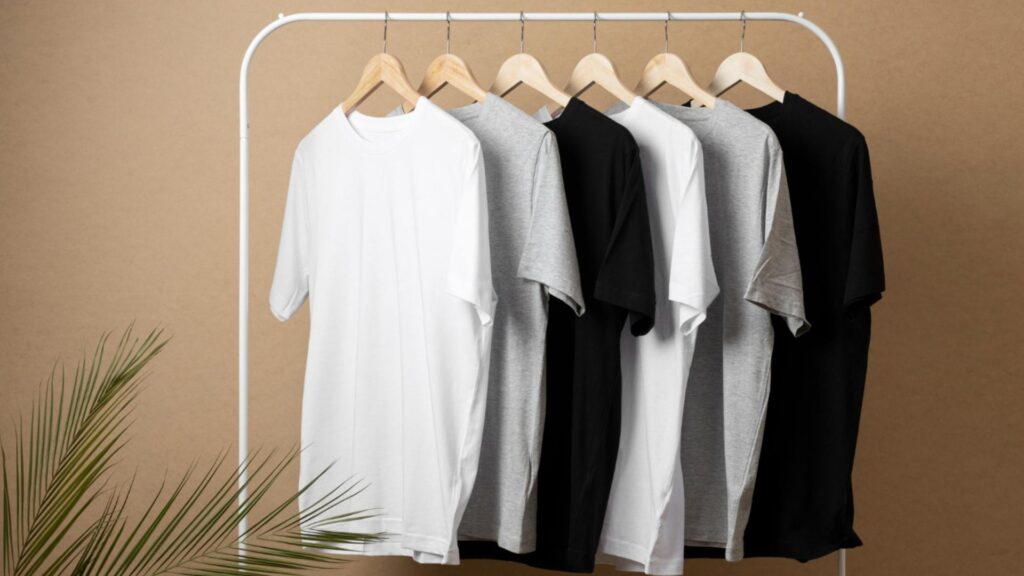
Many adults with SPD spent years not knowing why clothing felt unbearable. A scratchy label, a too-tight sock, or a rough collar can cause a level of distraction and distress that impacts work performance, social functioning, and mental health.
Choosing the right sensory disorder clothing removes a constant background stressor freeing up cognitive and emotional resources for everything else. The impact is often immediate and significant.
Research from the National Autistic Society confirms that sensory differences, including tactile hypersensitivity, affect most autistic adults and that environmental modifications like clothing choices are among the most effective self-management strategies.
Key features to look for in sensory processing disorder clothing
Seamless or flat-seam construction
The internal seam is the most reported trigger in sensory processing disorder clothing for adults. True seamless garments or those with flat, bonded seams eliminate this entirely. Check toe seams in socks and shoulder seams in tops specifically.
Tagless and label-free
Tags are a near-universal irritant. Quality sensory disorder clothing either prints care information directly onto the fabric or removes labels entirely. Even soft tags can become intolerable after a few hours of wear.
Non-binding waistbands and cuffs
Tight elastic at the waist, wrists, or ankles creates constant pressure that becomes overwhelming. Look for wide, soft waistbands or adjustable fits with no rigid elastic.
Natural, breathable fabrics

Bamboo, organic cotton, and modal are consistently the best choices for sensory processing disorder clothing adults prefer. They regulate temperature, resist static, and feel gentle against reactive skin.
10 essential sensory processing disorder clothing picks for adults
1. Seamless bamboo t-shirts
The gold standard of sensory processing disorder clothing for adults. Bamboo fabric is naturally soft, temperature-regulating, and static-free. Seamless construction eliminates every internal irritant point.
2. Tagless organic cotton underwear
Underwear is the closest layer to skin making it the highest-impact piece of sensory disorder clothing to get right. Flat-sewn seams and printed labels only.
3. Elastic-free wide-waistband trousers
Trousers with soft, wide waistbands and no rigid elastic allow comfortable all-day wear without sensory fatigue. Linen blends and organic cotton are top fabric choices.
4. Seamless compression base layers
For those who find proprioceptive input calming, light compression base layers deliver a gentle “held” feeling throughout the day a widely recommended strategy for adults with SPD.
5. Fleece-lined leggings (synthetic-free)
Synthetic fleece can trigger sensory reactions. Natural-fibre fleece-lined leggings offer warmth without texture overload a winter essential in sensory disorder clothing planning.
6. Seamless socks (bamboo or modal)
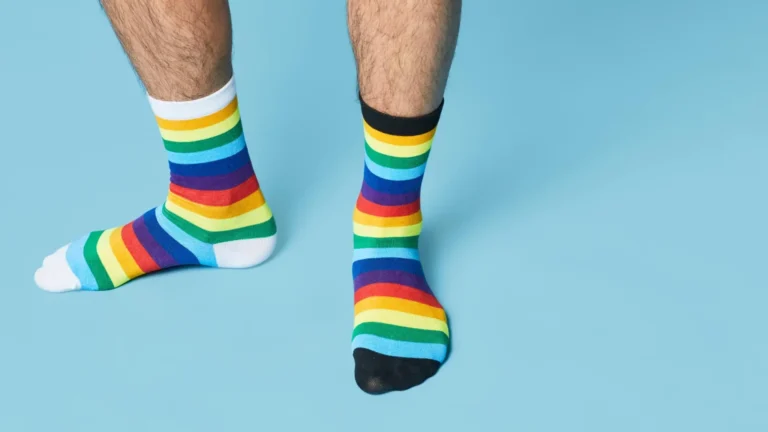
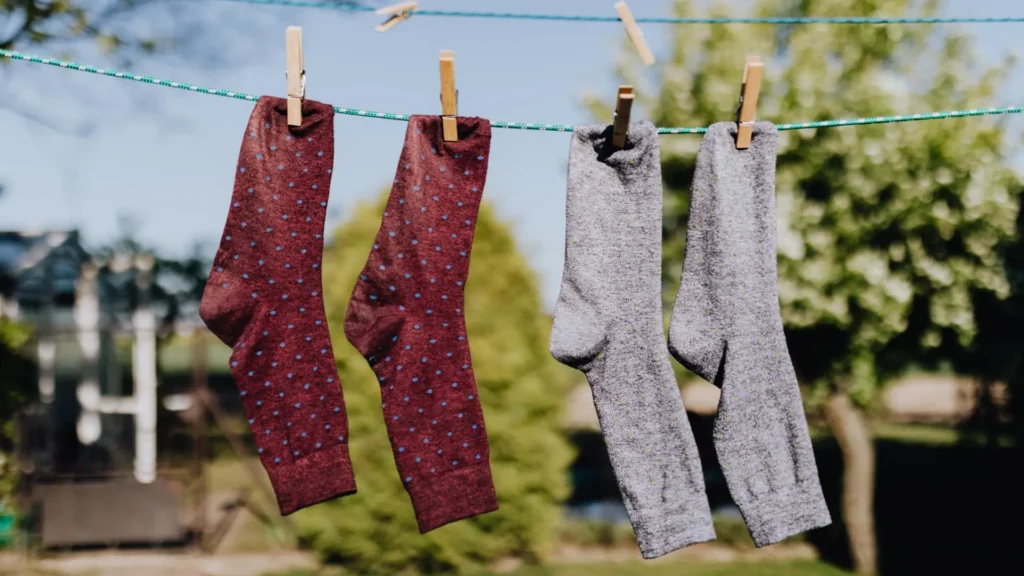
Socks are the number-one clothing complaint among adults seeking sensory processing disorder clothing solutions. Seamless, non-binding, bamboo or modal socks resolve most issues immediately. See our full guide on autism socks for adults for detailed picks.
7. Adaptive button-free shirts
Buttons, poppers, and rough fasteners are common sensory triggers. Adaptive shirts use magnetic closures or hidden snap buttons beneath smooth fabric eliminating the problem without sacrificing style.
8. Tagless hoodies with flat-lined hoods
Hood linings that bunch or bunch against the neck are a major irritant. Quality sensory disorder clothing hoodies have smooth, flat-sewn hood interiors and no internal labels anywhere.
9. Seamless bralettes and wireless bras
Underwire and synthetic lace are among the most reported sensory triggers in adult women’s clothing. Seamless, wireless bralettes in soft modal or bamboo are transformative for many adults with SPD.
10. Weighted blanket dressing gowns
For at-home comfort, weighted dressing gowns combine the sensory benefit of deep pressure with soft sensory processing disorder clothing for adults construction. Many users report significant anxiety reduction with consistent use.
Best fabrics for sensory disorder clothing
Sensory disorder clothing fabrics, ranked from most to least gentle: bamboo, modal, organic cotton, Tencel/lyocell, standard cotton. Avoid: nylon, polyester, standard wool, rough linen blends, and heavily dyed synthetics which often contain residual chemical irritants.
What to avoid when shopping
Beyond rough fabrics and seams, watch for: decorative stitching on the inside of garments, raised printed graphics that press against skin, multiple layered waistbands, and anything labelled “moisture-wicking polyester” a common sensory trigger despite its athletic branding.
Read our guide on building a complete sensory-friendly wardrobe for a room-by-room, season-by-season checklist.
Building a full sensory processing disorder clothing wardrobe
Start with the highest contact layers: socks, underwear, and base layers. These create the sensory foundation of every outfit. Once those are resolved, work outward to mid-layers and outerwear.
Buy multiples of anything that works. The cognitive load of deciding what to wear each morning is significantly reduced when every item in the drawer is known to be comfortable. This is one of the most practical strategies recommended in sensory processing disorder clothing for adults communities.
The Understood Foundation offers detailed adult sensory resources including self-advocacy guides for navigating workwear and social dress codes.
When to work with an occupational therapist
If sensory disorder clothing distress is part of a wider pattern that affects daily functioning, an occupational therapist specialising in sensory integration can assess your specific sensory profile and build a personalised plan. See our article on occupational therapy for adults with SPD for how to find the right specialist.
Frequently asked questions
Is sensory processing disorder clothing for adults widely available?
Availability has improved significantly in recent years. Specialist brands like Sensory Smart, Smartknit, and several adaptive clothing lines now cater specifically to adults. Mainstream brands with good seamless ranges also work well with careful selection.
How is sensory disorder clothing different from adaptive clothing?
Adaptive clothing focuses on ease of dressing for mobility or physical needs. Sensory disorder clothing focuses specifically on tactile comfort minimising seams, tags, textures, and pressures that trigger sensory distress. Some garments serve both purposes.
CanSensory processing disorder clothing for adults need change over time?
Yes. Sensory sensitivities can shift with age, stress levels, hormonal changes, and co-occurring conditions. Regularly reassessing your sensory processing disorder clothing for adults wardrobe especially during life transitions is good practice.