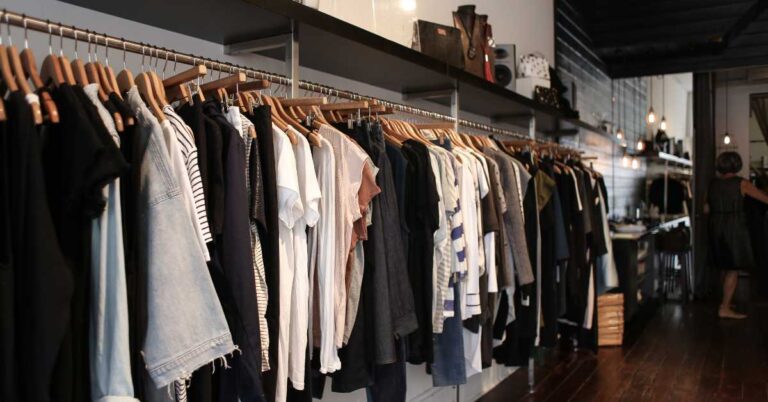
Minimalist Capsule Wardrobe: 11 Practical Ways to Build a Low-Stress Closet
A practical guide to building a sensory-friendly capsule wardrobe that reduces morning decision fatigue. 11 steps for adults who want a low-maintenance, comfort-first closet.

Let’s be real for a second. If your morning routine feels like a daily battle against a mountain of unfolded laundry and a brain that just refuses to cooperate, you are definitely not alone. Building a capsule wardrobe was honestly one of the best things to do for daily peace of mind, even if you’re skeptical at first. Who has the energy to plan a wardrobe, right? But stay with us, because this isn’t about being perfect; it’s about making your life easier.
It’s easy to stare at a closet full of clothes and feel like you have absolutely nothing to wear. It isn’t that you lack clothes; it’s that you have too many choices, and most of them feel ‘wrong’ on your skin. That’s decision fatigue in a nutshell — feeling worn out before you’ve even had your first cup of coffee. By creating a minimalist wardrobe, you’re basically giving your future self a giant hug. You’re removing the friction of the ‘what do I wear?’ question.
Honestly, traditional fashion advice just doesn’t work for everyone. Some of us need systems that account for sensory preferences and the fact that we might forget where we put our favorite pants for three weeks. So if you’re ready to stop the morning scramble, let’s dive into how to build a closet that actually works for you. Check out the guide below to see how we’re going to break this down!
Table of Contents
- Why Choice Is the Enemy
- Sensory-Friendly Capsule Wardrobe Essentials
- Low-Effort Closet Hacks
- The Capsule Wardrobe Checklist
- Simple Organization Ideas
- Sensory-Friendly Work Outfits
- Keeping It Low-Maintenance
Why Choice Is the Enemy: Solving Decision Fatigue
Have you ever noticed you can make big decisions at work but can’t decide which t-shirt to wear? That’s decision fatigue at its most ordinary. Our brains have a limited amount of ‘choice fuel’ every day. When you spend it all at 7:00 AM trying to match a patterned top with the right bottoms, you’re already worn out by 9:00 AM.
This is where decision fatigue clothing solutions come into play. A capsule wardrobe means everything goes with everything else. You could practically get dressed in the dark and still look put together. I personally found that sticking to a specific color palette — mostly blacks, greys, and forest greens — saved a lot of brain power. Do you have a color that just makes you feel safe? Stick to that!
To be fair, some people think a minimalist wardrobe is boring. But it’s arguably liberating. You aren’t losing your personality; you’re just cutting out the noise. If you want more tips on simplifying your life, feel free to check out our main blog for more comfort-first lifestyle guides. It’s all about finding what fits your flow.

Building a Sensory-Friendly Capsule Wardrobe
Let’s talk about the ‘itchy’ factor. For a lot of people, comfort starts and ends with texture. If a shirt has a scratchy tag or a weird seam, it doesn’t matter how cute it is — it’s going to ruin the whole day. Plenty of people know the feeling of wearing a wool sweater to a meeting and being unable to focus on a single word because of how it felt against their skin. Never again.
A sensory-friendly capsule wardrobe focuses on fabrics like bamboo, organic cotton, and Tencel. These materials are breathable and soft. Also, look for ‘tagless’ options or brands that print their labels directly onto the fabric. Have you ever tried wearing your socks inside out because the seam was driving you crazy? Looking for seamless options is a total game-changer for everyday comfort.
When picking your core pieces, think about how they feel when you move. If you have to constantly adjust a strap or pull down a hem, it’s not earning its place in your closet. Look for clothes that stay put so you can forget you’re wearing them and actually focus on your day. It’s about reducing the ‘sensory noise’ of everyday life.
Low-Effort Closet Hacks You Need
Let’s get into the nitty-gritty of low-effort closet hacks. One favorite? The ‘Uniform Method.’ This doesn’t mean wearing the exact same thing every day (unless you want to!), but having a formula. For example: high-waisted leggings and an oversized tunic, in five versions. It’s a safety net — a default to grab on busy or overwhelming mornings.
Another big one: stop folding your clothes. Seriously! Folding is a high-effort task plenty of people drop. If your clothes are clean but living in a basket, you’ve already won. Try open bins or hanging everything instead. The ‘hook system’ — hanging frequently used hoodies on hooks instead of hunting for a hanger — sounds lazy to some, but it’s actually a brilliant low-maintenance strategy.
Does the idea of not folding your laundry sound relieving or stressful? For a lot of people, it’s a total revelation. Instead of feeling guilty about ‘the chair’ where clothes pile up, just make ‘the chair’ part of the system. Work with your habits, not some idealized version of how things ‘should’ be done.
The Capsule Wardrobe Checklist
Ready to start? Here’s a simple capsule wardrobe checklist to get you going. You don’t need to do this all in one day — maybe just look at your socks first. That’s a win.
- 5-7 Soft Base Layers (Tees or tanks that feel like a second skin).
- 3-4 Reliable Bottoms (Think elastic waistbands or high-stretch denim).
- 2-3 Layering Pieces (Cardigans or zip-up hoodies for temperature regulation).
- 10 Pairs of Identical Socks (Because matching socks is a waste of your time).
- 2 Pairs of Easy-Entry Shoes (Slip-ons or Chelsea boots — avoid complex laces).
- 1 ‘Emergency’ Nice Outfit (For when you forgot you had a wedding to go to).
This list is just a starting point. Your version of a capsule wardrobe might include 20 band t-shirts and two pairs of overalls. The goal is to make sure every item is something you actually *want* to put on your body. If you haven’t worn it in six months because the texture is ‘off,’ give yourself permission to donate it. You don’t need that guilt taking up space in your closet or your head.
Simple Organization Ideas
Now, where do we put everything? Simple organization ideas usually come down to one main rule: out of sight is out of mind. If sweaters go into a drawer, they tend to cease to exist. Using clear bins or open shelving keeps your options visible without being overwhelming. A ‘now, later, never’ sorting method works well whenever you’re feeling brave enough to declutter.
Labels are also your best friend. But don’t just label ‘T-shirts.’ Try labeling things like ‘Work Tops’ or ‘Soft Pajamas.’ This helps you find what you need quickly when you’re in a rush. There’s a huge community of people online sharing closet organization hacks — it’s actually a pretty cool corner of the internet.
Also, let’s talk about the ‘Doom Pile.’ You know the one — the pile of clothes that aren’t quite dirty but aren’t quite clean either. Instead of letting it take over your floor, get a specific ‘in-between’ basket. It’s a simple hack that recognizes how things actually work day to day. It’s not a mess; it’s a ‘pending’ station.
Sensory-Friendly Work Outfits That Don’t Suck
Finding sensory-friendly work outfits is arguably one of the hardest parts of dressing for a job. Professionalism usually involves stiff collars, blazers, and shoes that hurt. But things are changing! Look for ‘power knits’ — blazers made of jersey material that feel like sweatshirts but look like suits. They’re a genuine find.
For bottoms, ‘ponte’ pants are the secret weapon. They look like dress slacks but feel like thick leggings. Wear them to every meeting and no one will ever suspect you’re basically wearing pajamas. Comfort is a productivity tool — when you aren’t distracted by your waistband digging into your stomach, you can focus on your actual work. It’s a win-win.
Don’t be afraid to set boundaries with your work wardrobe. If ties are uncomfortable, see if you can skip them. Your comfort is the foundation of doing your job well. Found any brands that are secret gems for comfy work wear? Always worth comparing notes.
Keeping It Low-Maintenance
The biggest trap people fall into is making a system that’s too hard to maintain. A low-maintenance capsule wardrobe should be easy to wash. If something requires hand-washing or dry cleaning, it probably doesn’t belong in this kind of closet. Realistically, those items will just sit in the bottom of the hamper for six months until they eventually get thrown out.
Try buying multiples of things you love. If you find the perfect t-shirt, buy three. It sounds redundant, but it’s a huge time-saver — a built-in safety net of comfort. And it’s okay to iterate. Your needs might change with the seasons, and that’s completely fine.
At the end of the day, a capsule wardrobe is about working with yourself instead of against yourself. It’s admitting that certain things are genuinely harder than they need to be, and choosing to make your environment work for you. You deserve to start your day without a scramble. You deserve to feel comfortable in your clothes. And honestly? You deserve a closet that makes you feel like you’ve got things together, even if the rest of the house is a bit of a disaster.
Hopefully this helps. It can take a while to realize you’re not ‘bad’ at getting dressed — you just need a different system. What’s one clothing item you absolutely couldn’t live without? For a lot of people, it’s an oversized hoodie — a portable safe space. Anyway, good luck with your closet journey. You’ve got this.