Why Do Clothes Feel Uncomfortable? The Sensory Explanation for Adults
If certain fabrics, seams, or waistbands feel genuinely distracting or overwhelming, there is a real sensory explanation. This guide covers the most common clothing triggers, why the brain reacts the way it does, and practical steps to build a wardrobe that actually feels comfortable.
Have you ever had to change your outfit several times before leaving the house because the fabric just felt wrong? Do you find yourself constantly pulling at a neckline, or losing focus because a tag is scratching the back of your neck? If you regularly wonder why clothes feel uncomfortable, you are not alone — and you are not overreacting.
For many adults, getting dressed is not a simple routine. It is a daily negotiation with what the nervous system is telling them. The discomfort is real, it has a clear neurological explanation, and it can be addressed with the right clothing choices.
What is tactile sensitivity?
Tactile sensitivity is when the nervous system processes touch signals differently from the average person. When someone without heightened sensitivity puts on a shirt, their brain registers the fabric and then largely ignores it — a process called habituation. Attention moves on to other things.
For someone with tactile sensitivity, that habituation does not happen in the same way. The sensation of the fabric stays at the front of awareness, demanding attention throughout the day. A tag at the collar, a seam across the toe, or a tight waistband becomes a persistent distraction rather than background noise.
This is not a personality trait or a low pain threshold. It is a difference in how the brain filters and prioritises sensory input — and it is more common than most people realise.
The 6 most common clothing triggers
Certain features in clothing are particularly likely to cause discomfort for adults with tactile sensitivity. Understanding what these are makes it much easier to shop with intention and avoid the worst offenders.
1. Scratchy tags
Tags are typically made from stiff materials and sewn into areas where the skin is thin and sensitive — the back of the neck or the inside of a waistband. For someone with tactile sensitivity, a tag can feel like a persistent needle scratch. Even after cutting the tag out, the remaining stitching edge can sometimes be worse than the tag itself.
2. Raised seams
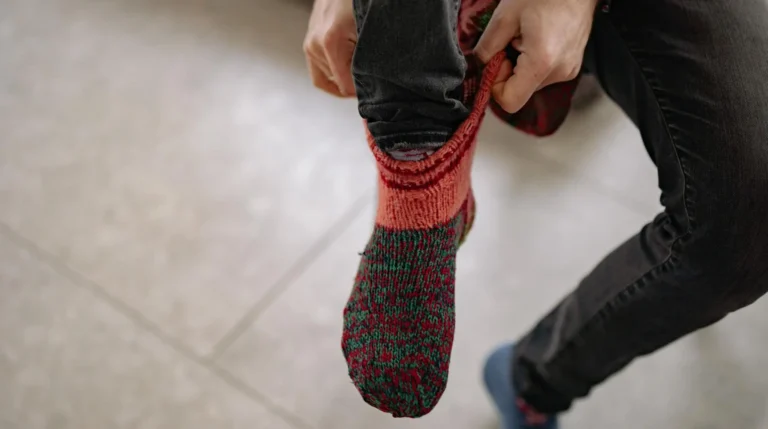
Seams are the foundation of garment construction, but poorly finished seams create constant friction against the skin. The toe seam in a sock and the inner leg seam in jeans are among the most frequently reported irritants. Even slight rubbing that would go unnoticed for most people can feel relentless after a few hours.
3. Tight waistbands
Elastic waistbands that press firmly against the abdomen or lower back can feel suffocating rather than simply snug. This type of sustained pressure can trigger discomfort, distraction, and in some cases a physical stress response — making it difficult to sit comfortably for long periods.
4. Rough or scratchy fabrics
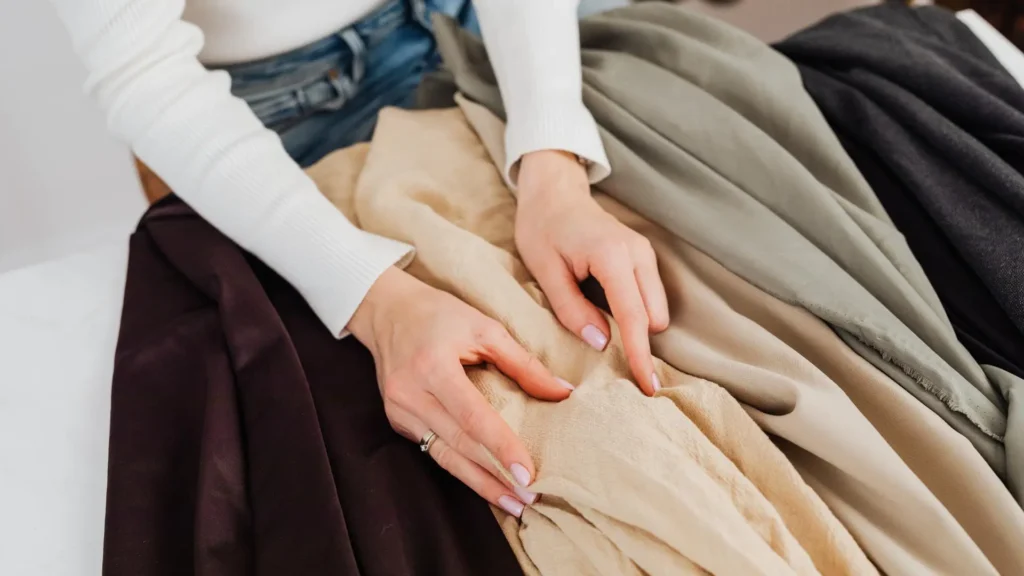
Fabrics like stiff denim, coarse wool, or certain synthetic blends can feel abrasive against sensitive skin. Even if a garment looks fine visually, the texture signals discomfort to the nervous system from the moment it touches the skin. The brain continues processing that signal rather than filing it away.
5. Printed labels
Some brands print their labels directly onto fabric rather than sewing in a separate tag. While this sounds like an improvement, the ink or heat-transfer material can crack or peel over time, creating a rough, sticky sensation against the skin — often worse than the original stitched tag.
6. Restrictive fit
Clothing that limits natural movement — a collar that tightens when you turn your head, sleeves that pull when you raise your arms, or trousers that restrict walking — can create a persistent sense of being trapped. This is not just physical discomfort; for some adults it escalates into genuine anxiety over the course of a day.
Why does the brain respond this way?
When clothes touch your body, nerve endings in the skin send signals to the brain. In most people, the brain quickly classifies these signals as non-threatening and reduces its response — this is habituation. The fabric fades into the background.
In adults with heightened tactile sensitivity, this filtering process works differently. The brain continues to treat the sensation as relevant information, keeping it active in conscious awareness. This is not a malfunction — it is simply a variation in how the sensory system is calibrated. But it does mean that clothing choices have a disproportionate impact on comfort and focus.
Cumulative sensory load also plays a role. A single uncomfortable clothing item might be manageable early in the day. After hours of sustained input — combined with other sensory demands like noise, light, or social interaction — the same irritant can feel overwhelming by the afternoon.
Who commonly experiences clothing discomfort?
Tactile sensitivity around clothing is more widespread than is often acknowledged. It is frequently associated with certain neurological profiles, but it also appears in adults with no formal diagnosis at all.
Autism: Sensory differences are a recognised feature of autism, and clothing sensitivity is one of the most commonly reported. Certain fabrics, fits, or construction details can feel genuinely painful rather than merely annoying.
ADHD: Adults with ADHD often have difficulty filtering out sensory input that others ignore. A scratchy seam or a tight collar competes with everything else for attention, making focus harder to sustain.
Heightened sensory sensitivity: Some adults process all sensory input more deeply — textures, sounds, smells, and light. This is a trait, not a disorder, but it means that fabric choices matter more than they might for others.
Anxiety: Anxiety puts the nervous system on alert. Clothing that feels fine on a calm day can become genuinely distracting on a stressful one, because the threshold for registering discomfort is already lower.
What you can do about it
Understanding why clothes feel uncomfortable is the first step toward fixing it. You do not need to push through discomfort or dismiss it as trivial. Building a wardrobe that genuinely works for your sensory system is a practical, achievable goal.
Audit your current wardrobe
Go through what you own and remove anything that reliably causes discomfort. If a garment irritates you every time you wear it, it is occupying space that could go to something better. There is no benefit to keeping clothes that make you feel worse.
Remove tags properly
Use a seam ripper rather than scissors to remove tags. A seam ripper cuts the thread cleanly without leaving a sharp fabric edge. Work slowly, snipping each stitch individually, then lightly steam the area to smooth out any remaining impression left by the stitching.
Prioritise soft natural fibres
Bamboo, modal, organic cotton, and Tencel are consistently well-tolerated by people with tactile sensitivity. They are breathable, smooth against the skin, and less likely to cause the static or pilling that makes synthetic fabrics scratchy over time. See our guide on sensory clothing for adults for specific fabric recommendations.
Use layering strategically
Wearing a soft base layer under work or formal clothing creates a barrier between the skin and more structured fabrics. A seamless cotton or bamboo underlayer can make a rough-textured shirt or stiff jacket much more tolerable throughout the day.
Look for seamless construction
Brands that specifically make sensory-friendly clothing design their garments with flat-lock seams or fully seamless knitting. This eliminates the most common irritant points without requiring any modification. It is worth paying for this construction in items you wear daily — underwear, socks, and t-shirts make the biggest difference.
Shop with a trial mindset
Order single items from new brands before committing to multiple pieces. Sensory responses are highly individual — a fabric that works perfectly for one person may be difficult for another. Most sensory-friendly brands have good return policies precisely because they understand this.
Frequently asked questions
Why do clothes suddenly feel uncomfortable when they were fine before?
Stress and fatigue lower the threshold at which sensory input feels uncomfortable. Clothes that feel fine on a low-demand day can become genuinely distracting when you are already overwhelmed. This is a normal neurological response, not a sign that something is wrong.
Can anxiety make clothes feel more uncomfortable?
Yes. Anxiety activates a heightened state of alertness in the nervous system. In this state, the brain is more sensitive to all incoming sensory signals — including physical sensations from clothing. Tight collars, scratchy fabrics, and restricted movement all register more strongly when anxiety is already present.
What fabrics are best for people with sensitive skin?
Bamboo, modal, organic cotton, and Tencel are the most consistently comfortable for adults with tactile sensitivity. They are soft, breathable, and free from the rough texture that synthetic blends develop after washing. Avoid stiff denim, coarse wool, and fabrics with a high polyester content if texture is a primary concern.
Is it possible to become less sensitive to clothing over time?
Some adults find that their sensitivity shifts over time — improving during lower-stress periods and increasing during demanding ones. Occupational therapists who specialise in sensory processing can work with adults on structured approaches to managing tactile sensitivity. However, for most people, the more practical and sustainable solution is to choose clothing that avoids triggers rather than trying to eliminate the sensitivity itself.
Why does my skin hurt when clothes touch it?
When light touch registers as pain, this can be a sign of allodynia — a condition where the sensory nerves in the skin respond to normally non-painful stimuli as though they were painful. This can be connected to chronic pain conditions, stress, or heightened nervous system sensitivity. If this is a consistent experience, it is worth discussing with a doctor to understand the underlying cause.